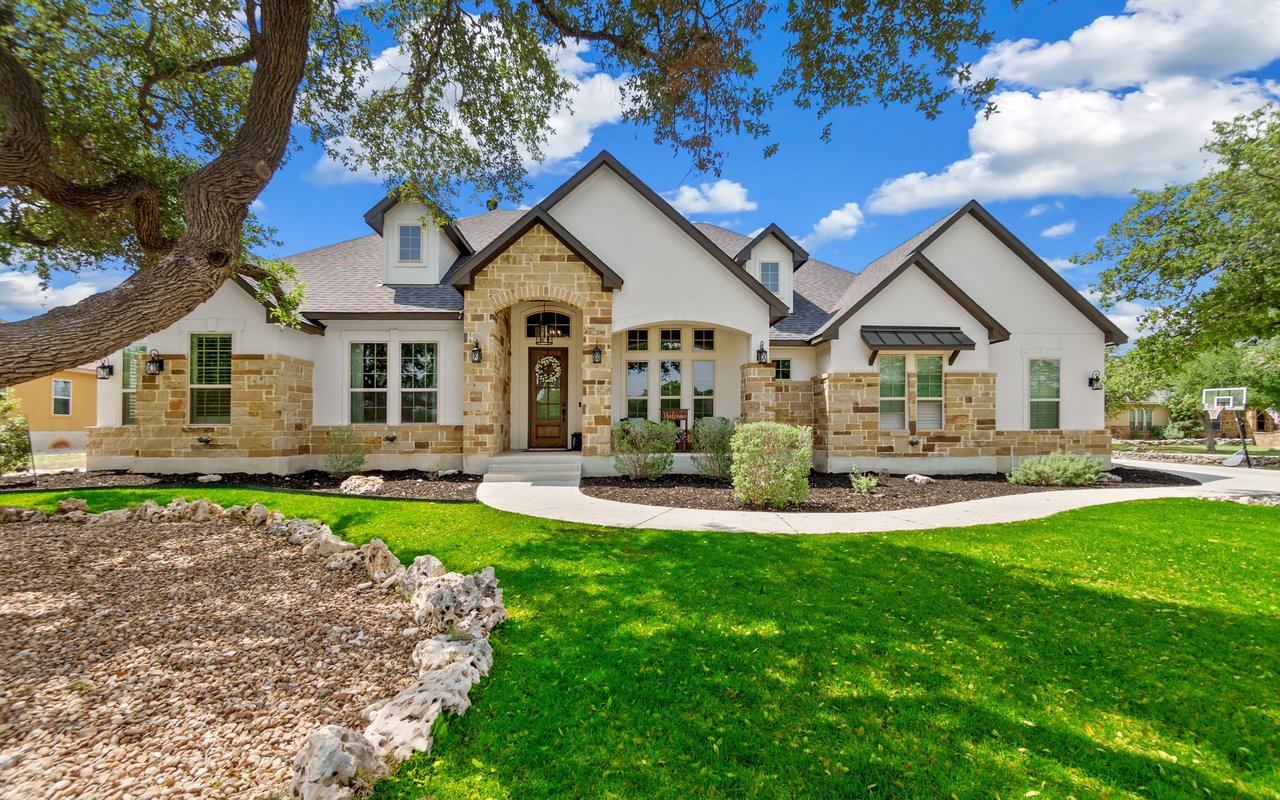
What is the Texas homestead exemption and do new homeowners have to file it?
The Texas homestead exemption reduces the taxable value of your primary residence for school district taxes — and in 2026, that reduction is $140,000 (up from $100,000, following voter approval of Proposition 13 in November 2025). It is not automatic. You must file Form 50-114 with your county appraisal district, and if you bought a home in Rockwall County and haven't filed yet, you're paying more in property taxes than you need to be.
By Cindy Dunnican | June 16, 2026
If you bought a home in Rockwall County — or anywhere in Northeast Dallas County — in the past year or two and nobody walked you through the homestead exemption, you're not alone. It's one of the most commonly missed steps after closing, especially for buyers relocating from other states where exemptions are handled automatically or built into the deed transfer.
In Texas, it doesn't work that way. You have to file it yourself. And if you haven't, here's what you need to know.
Texas Just Raised the Exemption to $140,000
In November 2025, Texas voters approved Proposition 13, which increased the school district homestead exemption from $100,000 to $140,000. The exemption increase — authorized by Senate Bill 4 in the 89th Legislature — took effect for the 2026 tax year.
What that means in plain terms: if your home is your primary residence and you have a filed homestead exemption on record, $140,000 of your home's value is exempt from school district taxes. On a $425,000 home — roughly the Rockwall County median — that means your school taxes are calculated on $285,000 instead of the full $425,000.
At a typical school district tax rate of around 1.35%, that's a savings of roughly $1,890 per year from the school exemption alone.
Seniors age 65 or older, or homeowners with qualifying disabilities, receive an even larger benefit: a $150,000 school district exemption plus an additional $60,000 senior exemption, for a combined $200,000 reduction from school district taxes — plus an additional $35,000 county exemption for seniors in Rockwall County on top of that.
The statewide average savings from the $140,000 exemption is estimated at $363 to $484 per year per household. Seniors save around $907 annually. Across all 5.7 million eligible Texas homeowners, SB4 represents a significant piece of property tax relief.
But none of it kicks in if you don't file.
It's Not Automatic — Here's How to File in Rockwall County
The homestead exemption requires a one-time application filed with the Rockwall Central Appraisal District (RCAD). After that, it renews automatically each year as long as the home remains your primary residence.
To file:
- Go to rockwallcad.com and look for the exemptions section
- Download or complete online: Form 50-114, Application for Residence Homestead Exemption
- You'll need: proof of ownership (deed or tax statement), a valid Texas ID or driver's license with your property address, and any supporting documents for senior or disability exemptions
- Submit online, by mail, or in person at: 841 Justin Road, Rockwall, TX
- There is no cost to apply
Once submitted, RCAD reviews your application and confirms your exemption status. You do not re-file each year.
What if you missed the April 30 deadline? The standard filing deadline is April 30 of each tax year. If you missed it for 2026, you can still file — and your exemption will take effect starting with the 2027 tax year. Better still, under Texas Tax Code Section 11.431, you can retroactively claim a homestead exemption for up to two years if the property was your primary residence during those years. This means if you've owned your Rockwall County home since 2024 or 2025 and haven't filed yet, you may be entitled to a refund of excess taxes paid.
As of January 2022, Texas law no longer requires you to have owned the home on January 1 to qualify in that tax year. If you close on your home in June, July, or any other month of the year, you can file immediately and receive the exemption for the remainder of that tax year.
The 10% Cap: What Most New Buyers Don't Know
The homestead exemption does more than reduce your taxable value. It also activates a protection that many buyers — especially those coming from out of state — don't find out about until they're comparing tax bills with a neighbor.
Once you have an active homestead exemption on file, the appraised value of your property cannot increase by more than 10% per year for tax purposes, regardless of what the market does.
Here's why that matters: if home values in Rockwall County rise 15% in a year, the county appraisal district can only increase the taxable value of your homesteaded property by 10%. Over time, that protection compounds — long-term homeowners often end up paying taxes on an appraised value that's far below current market value.
But the cap resets every time a property is sold.
When you buy a home in Texas, you start at zero. It doesn't matter what the previous owner's capped value was — that protection disappears at closing, and the new owner's clock starts fresh at the current purchase price. This is why you'll sometimes see two identical homes on the same street with dramatically different property tax bills: one owner bought years ago and has accumulated years of cap protection; the other bought recently and is starting from the current market value.
The key timing detail: the cap only begins protecting you 365 days after January 1 of the first tax year in which you file the exemption. If you close in June 2026 and don't file until March 2027, you've delayed the start of your cap protection by nearly an entire year. That's a full additional year where the appraisal district can raise your assessed value without any ceiling.
Filing as soon as possible after closing isn't just about saving money this year. It's about starting the clock on long-term protection.
Quick Summary: What to Do If You've Bought a Home in Rockwall County
If you're reading this and haven't filed your homestead exemption yet:
- File now at rockwallcad.com. It's free, it takes less than 30 minutes, and it activates both the $140,000 exemption and the 10% cap going forward.
- If you bought in 2024 or 2025 and didn't file at the time, you can retroactively apply for those tax years and may receive a refund check from the county.
- If you're a senior (65+) or have a qualifying disability, file for the enhanced exemption at the same time — the additional savings are significant.
- Once filed, it renews automatically — you won't need to re-file unless you move or change your primary residence.
Property taxes in Texas are a real number. A $425,000 home in Rockwall County carries a total effective tax rate of roughly 1.34%, which works out to around $5,695 per year before exemptions. The homestead exemption alone reduces that meaningfully — and the 10% cap keeps it from growing too fast as values rise.
This is one of those things that doesn't feel urgent until you realize what you've been leaving on the table.
Frequently Asked Questions
Do I have to refile my Texas homestead exemption every year?
No. Once your exemption is approved by the Rockwall Central Appraisal District, it renews automatically each year as long as the property remains your primary residence. You only need to refile if you move, add or remove a co-owner, or change your exemption type.
What if I missed the April 30 deadline for the 2026 tax year?
You can still file after April 30, and your exemption will apply starting with the 2027 tax year. Additionally, under Texas Tax Code Section 11.431, you may be able to file retroactively for up to two prior tax years if the home was your primary residence during those years — and receive a refund of the difference. Contact RCAD or a property tax professional to confirm your specific situation.
Does the 10% appraisal cap reset when I buy a new home in Texas?
Yes. The 10% cap protection is tied to a specific homeowner's filed exemption on a specific property, and it resets when the property is sold. The new owner starts at the current purchase price. This is why filing your homestead exemption as soon as you close is important — it starts the cap clock as early as possible.
What is the homestead exemption amount for seniors in Rockwall County in 2026?
Seniors age 65 or older receive a $150,000 school district exemption plus an additional $60,000 senior exemption for school taxes, totaling $200,000 in school tax exemptions. Rockwall County also offers a separate $35,000 county exemption for qualifying seniors. These stack on top of each other.
Can I still get the homestead exemption if I moved in after January 1?
Yes. Since a 2022 change to Texas law, new homeowners can qualify for the homestead exemption in the year of purchase even if they didn't own the property on January 1. You can file immediately after closing on your home.
If you're weighing your next move in Rockwall County — whether that's buying a home, selling your current one, or understanding what your property is worth in today's market — a quick home valuation is a good place to start. You can request yours at thedunnicanteam.com/home-valuation.
And if you have questions about the homestead exemption process, buying in Rockwall County, or navigating the current market, feel free to reach out directly. This is exactly the kind of detail we walk our clients through — and it's the kind of thing that makes a real difference in the long run.
About Cindy Dunnican
Cindy Dunnican is the managing partner of The Dunnican Team at Coldwell Banker Apex, Realtors, serving the Northeast Dallas suburbs, Rockwall County, and the surrounding North Texas communities. Alongside her husband and business partner, Cory, she helps buyers and sellers navigate move-up purchases, downsizing, relocation, new construction, and luxury lake and golf course properties. Connect with The Dunnican Team at thedunnicanteam.com.