


STAGING OPTIONS FOR DFW HOMEOWNERS
Staging Your Home to Sell: Three Approaches, One Strategy
Buyers form an impression before they consider the practical details — staging is what shapes that first reaction. Here's how the three staging approaches work, what each one actually returns, and how to know which one fits your home.
Accessory Staging: Affordable Impact Without the Fuss
Here's the good news: you don't have to spend anything extra to give your home a professional staging polish. Accessory staging is included with every listing I take, and it transforms your space without the cost of full furniture rentals.
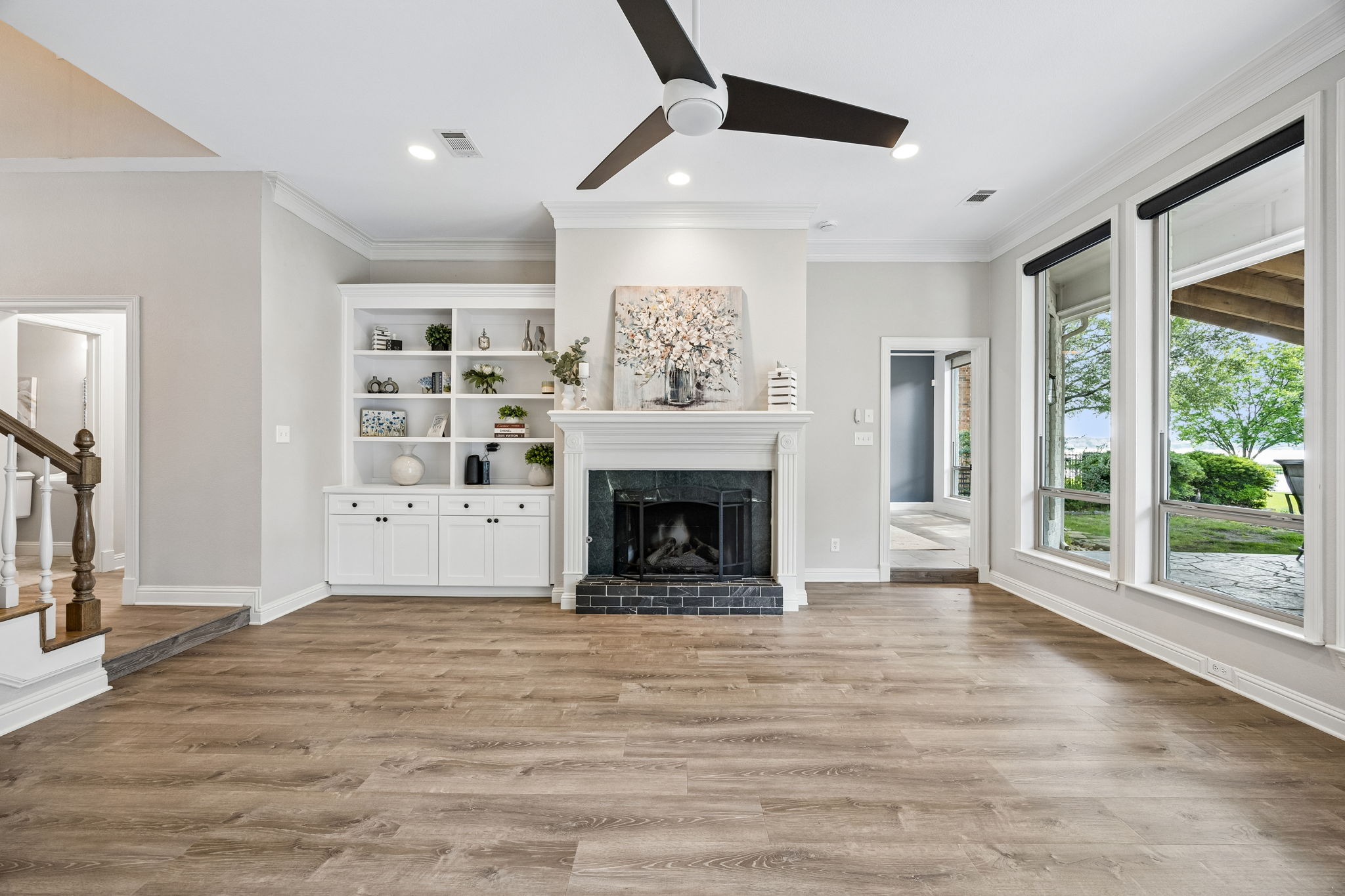
This approach works best for occupied homes where you already have good furniture in place but need a professional eye to maximize its potential. I enhance what you have with carefully selected art, decorative pillows, throws, and strategic lighting adjustments that add depth and dimension to every photo.
What's Included
A staging consultation and walk-through, plus décor, artwork, accessories, accent lighting, comforters, and accent pillows.
Smart Repositioning
Minor furniture adjustments to highlight natural flow, maximize space perception, and create inviting conversation areas.
Visual Enhancement
Strategic lighting placement and surface styling that creates depth, directs sight lines, and photographs well.
Best for: mid-range homes where ROI needs to balance with budget, occupied properties with solid existing furniture, and sellers who want strong presentation without additional cost.
This level of staging drives sharper photography, creates immediate visual interest, and helps buyers focus on your home's best features instead of getting distracted by cluttered surfaces or awkward furniture placement.
The result: faster buyer interest and more competitive offers, at no additional cost to you.
Virtual Staging: The Digital Option
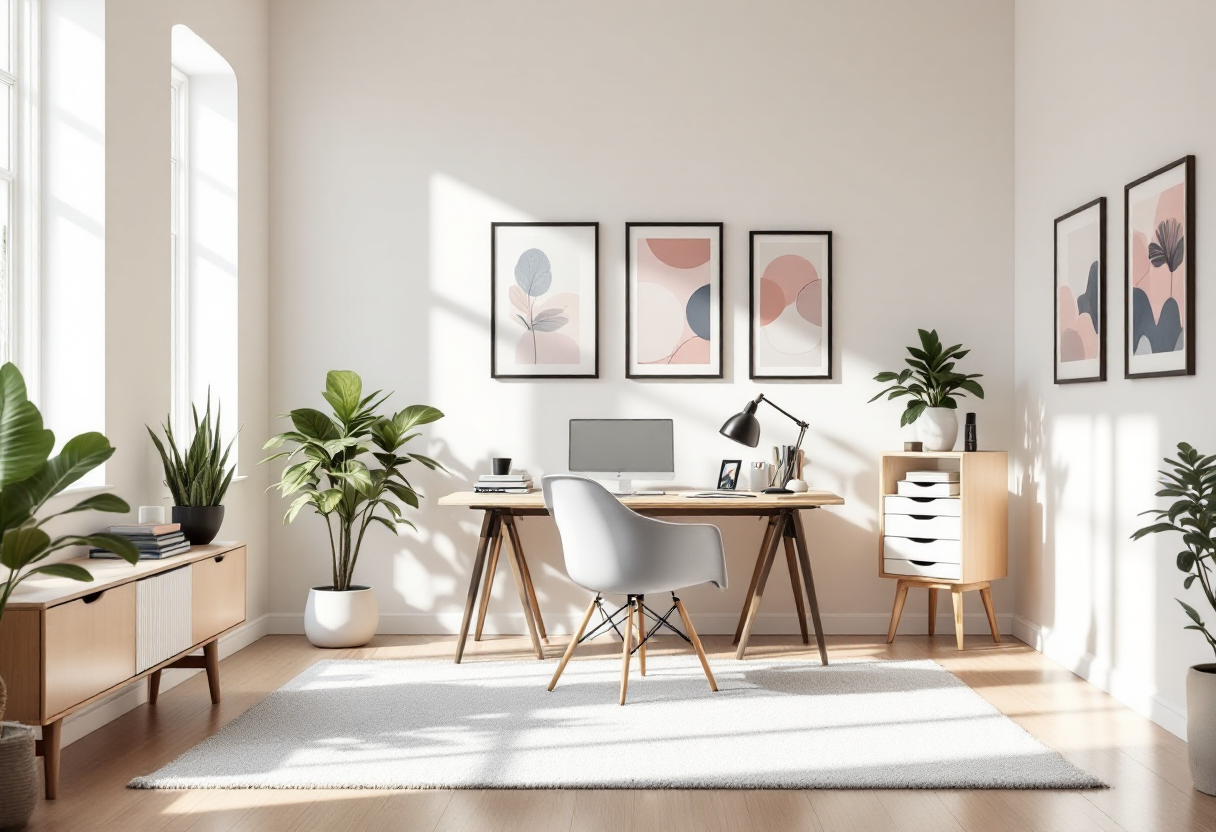
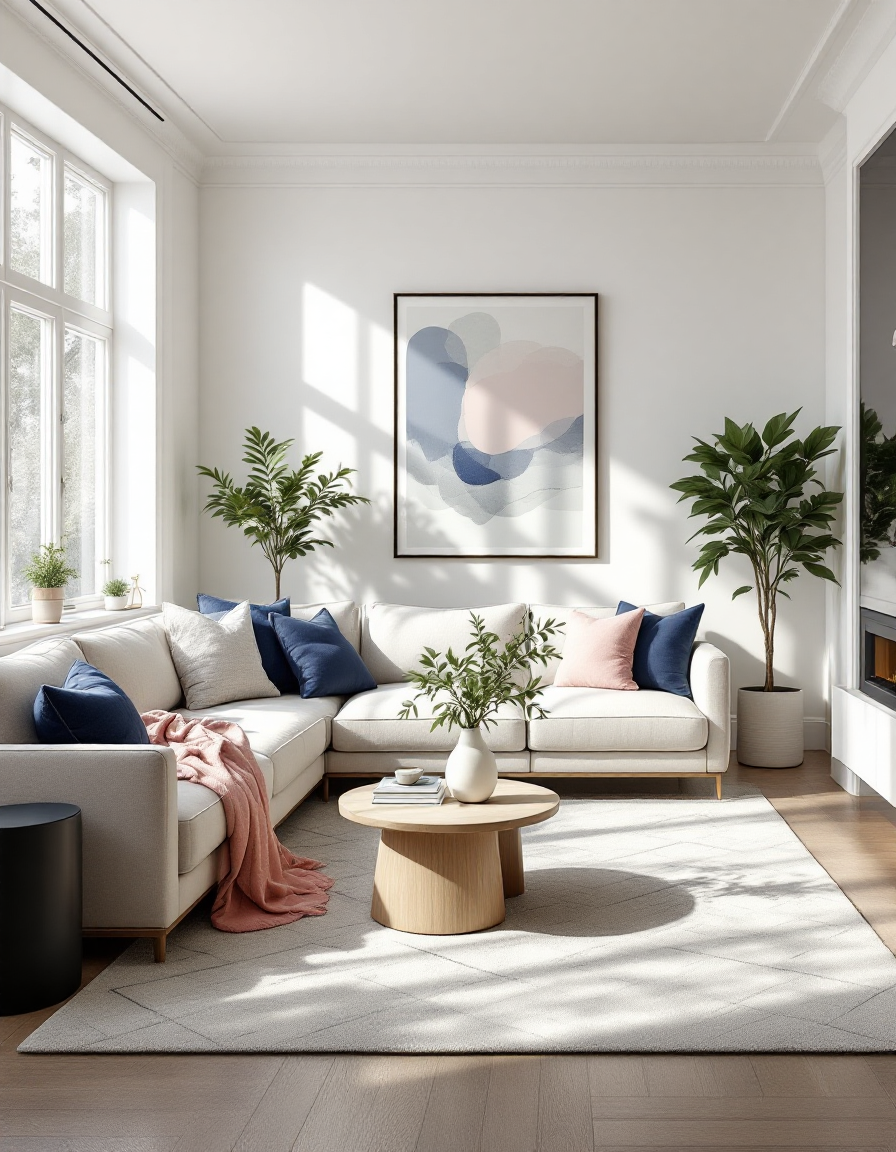
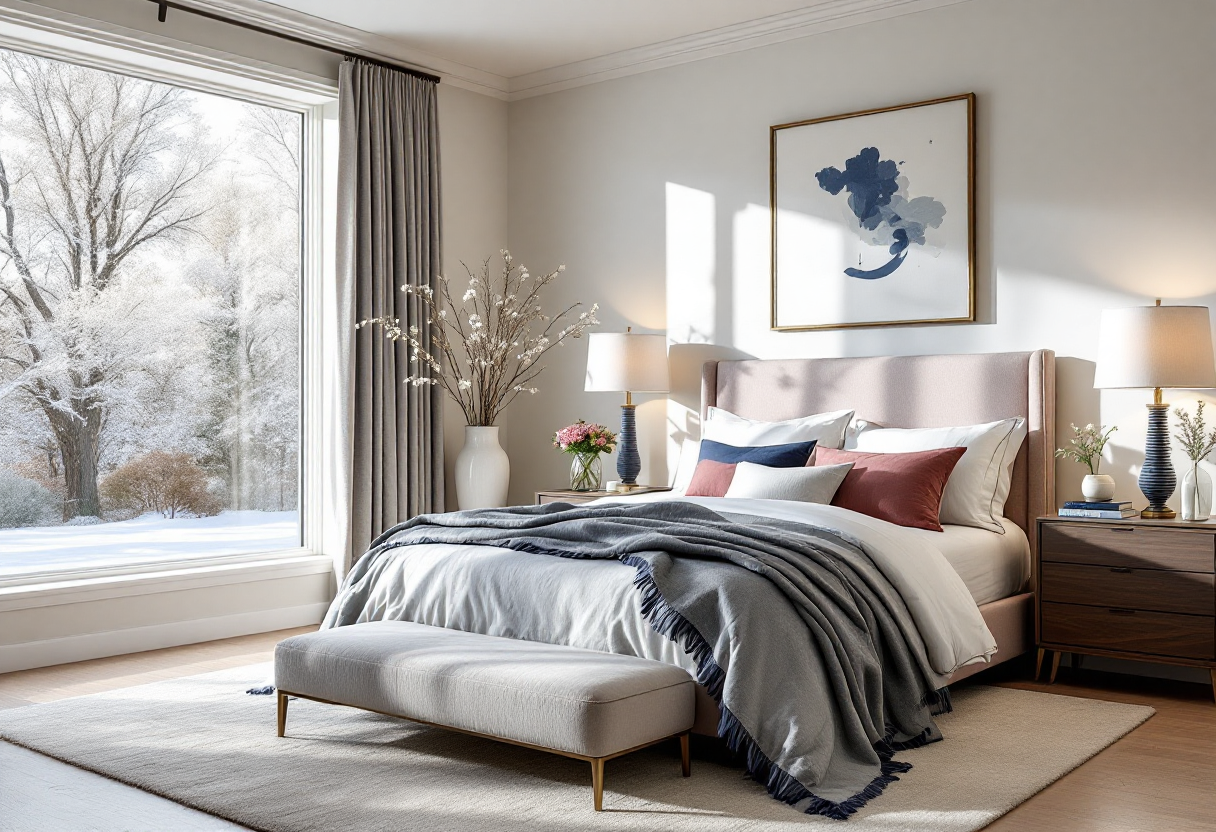
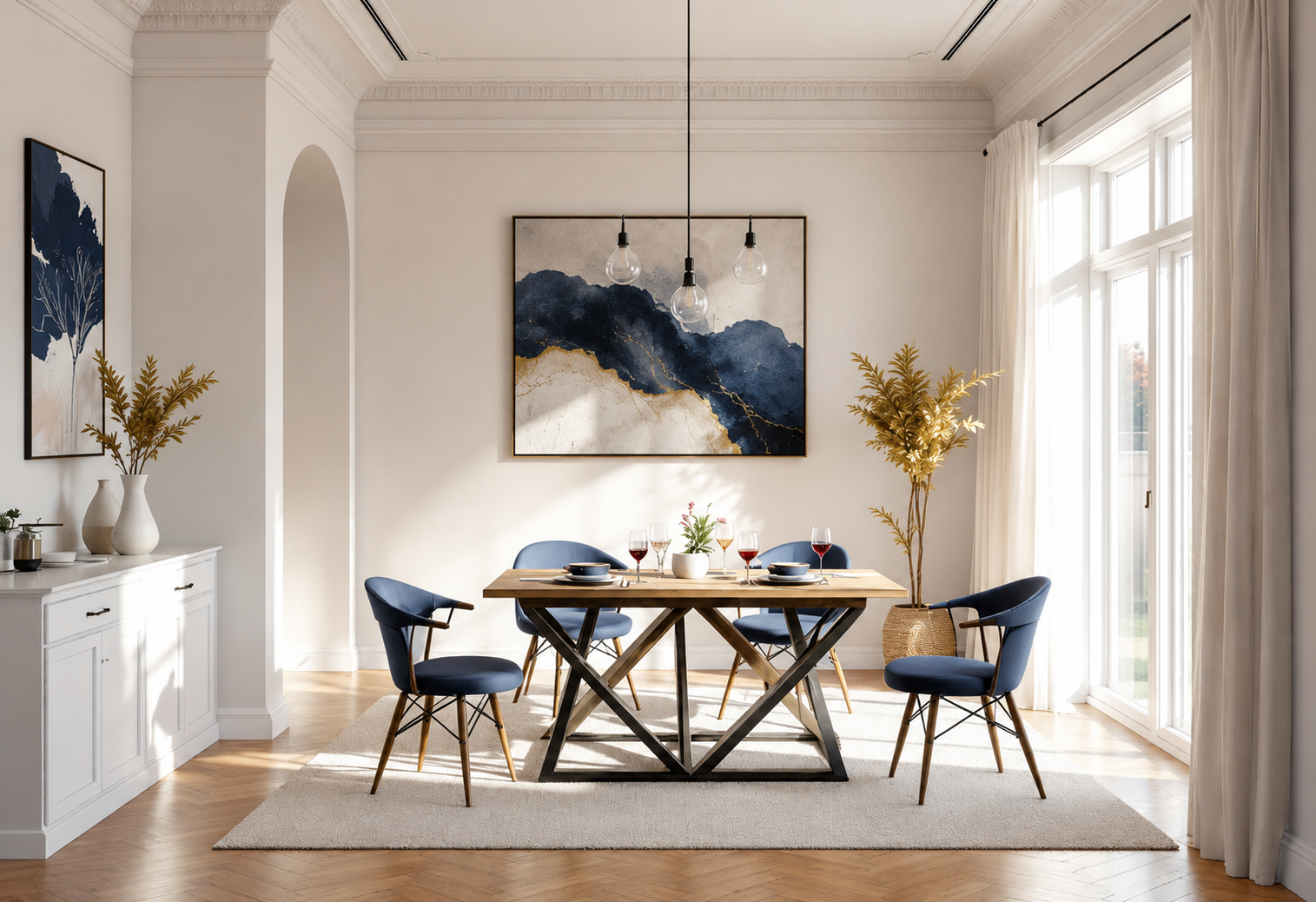
Virtual staging has changed how vacant homes get marketed, delivering strong visual impact at a fraction of traditional staging cost. Using design software, we can digitally furnish empty rooms with photorealistic furniture and décor that helps buyers understand a space's potential without a single piece of furniture on-site.
Virtually staged listings generate meaningfully more online views than empty-room listings and drive more in-person showings. Since most buyers start their search online, this matters most for vacant homes where the alternative is bare-room photos.
Key Benefits
- Cost-effective at roughly $25–75 per photo (included when you list with me)
- 24–48 hour turnaround
- Homes can sell 6–10% higher than unstaged comparables
- Ideal for vacant properties needing online appeal
- Easy to showcase multiple design styles
Important Considerations
- Must be disclosed so buyers know it's virtual
- Doesn't provide the in-person, tactile experience
- Quality matters — poor virtual staging looks fake
- Works best for online marketing, not the in-person showing itself
- Luxury buyers may still expect physical staging
Worth knowing: virtual staging is excellent for generating online interest and booking showings. For luxury properties or homes with unique architectural features, pairing virtual staging for online marketing with physical staging for in-person tours often delivers the best of both.
Professional Staging with Furniture: The Full Investment
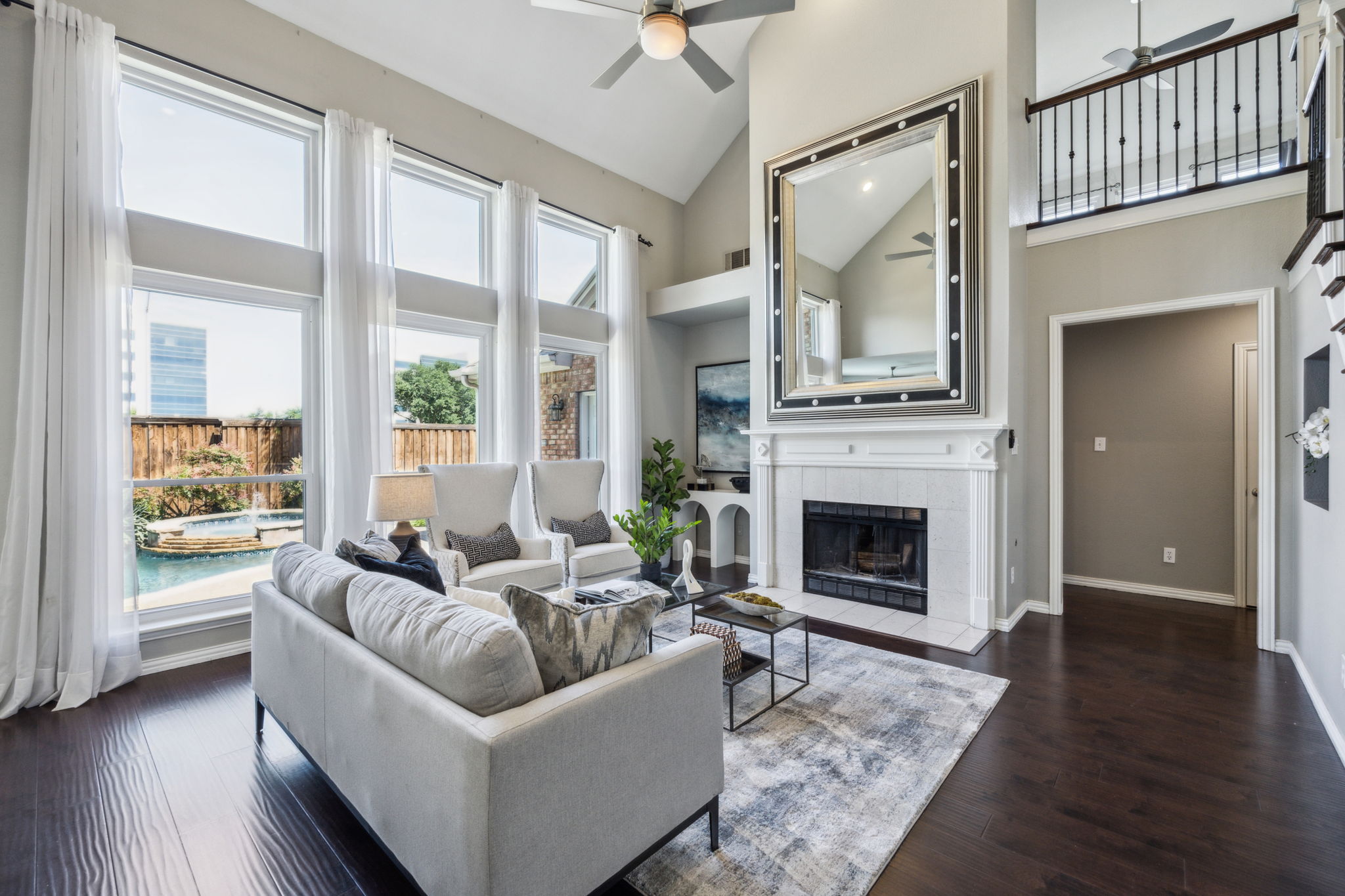
For higher-end properties and vacant homes, full furnishing staging often isn't optional — it's what closes the gap between an empty house and a home a buyer can picture living in. Professional stagers select and install complete furniture packages in your home's most important rooms, creating the scale and warmth that helps buyers connect with the space emotionally.
Empty rooms can feel cold and hard to read, especially in larger homes where square footage and architectural details need context to be appreciated. Full furnishing solves this by showing buyers exactly how to live in each room, rather than asking them to imagine it.
Rooms That Matter Most
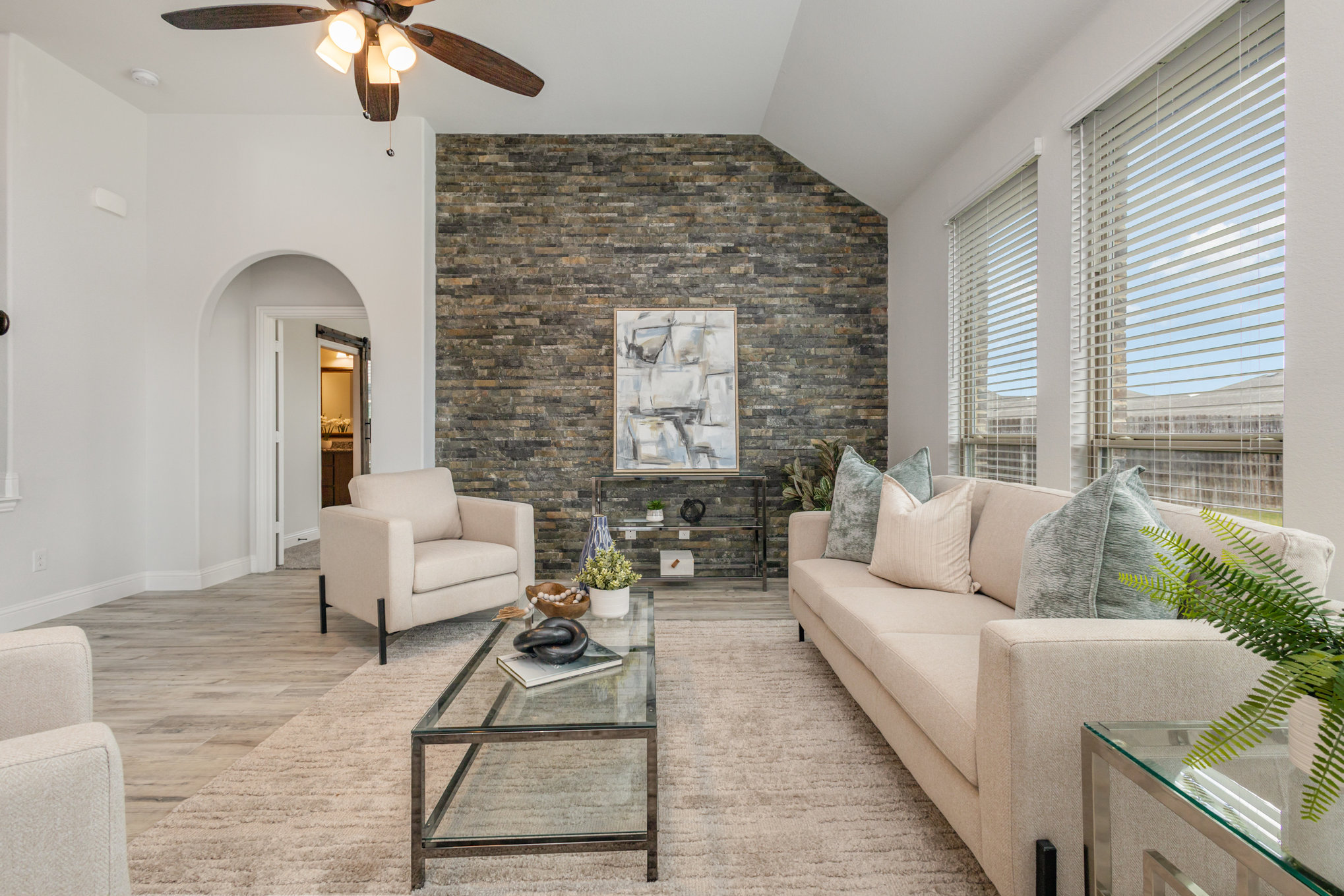 Living & Great Rooms
Gathering spaces with inviting seating and open flow.
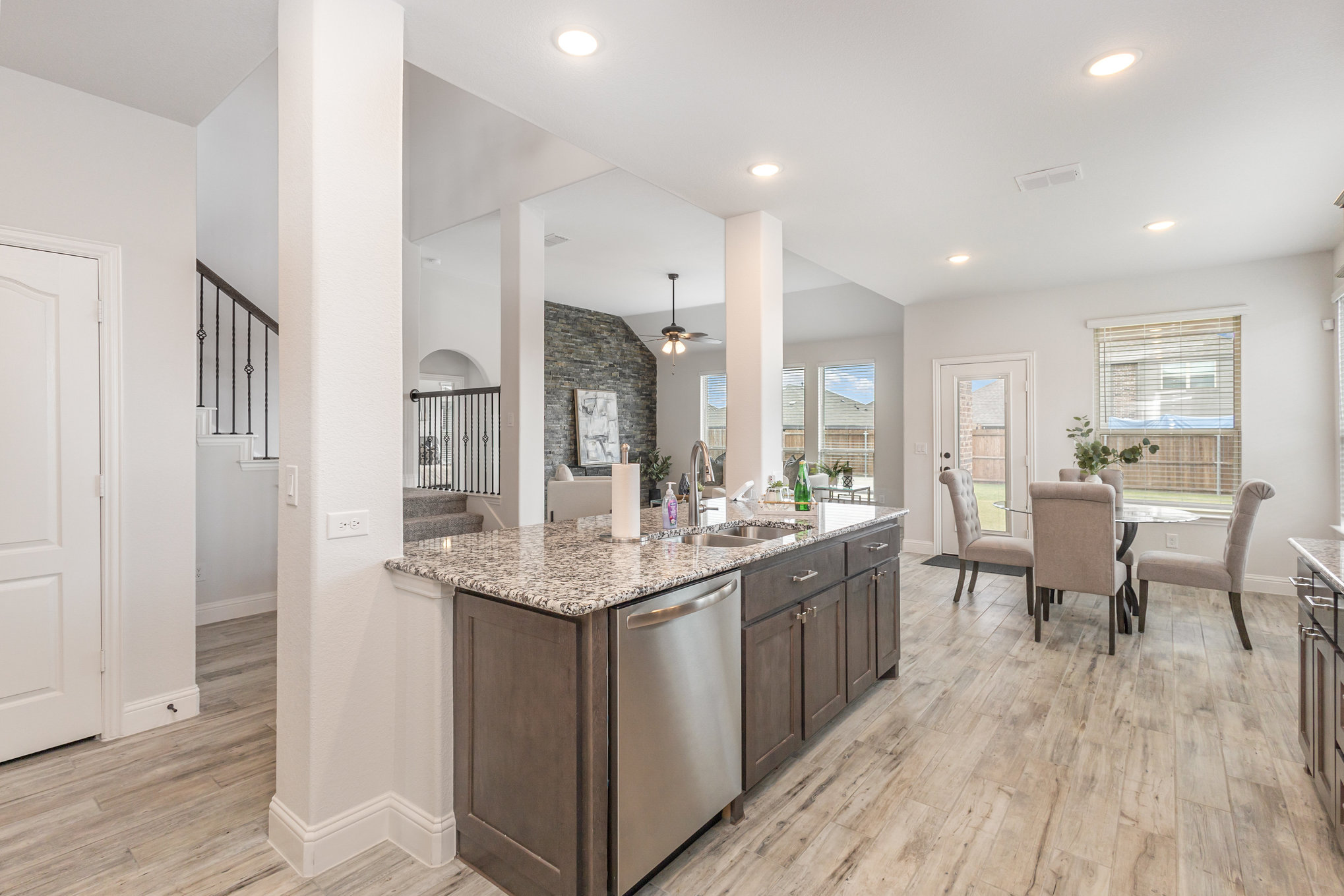 Kitchen & Dining
Entertaining potential, styled dining and breakfast areas.
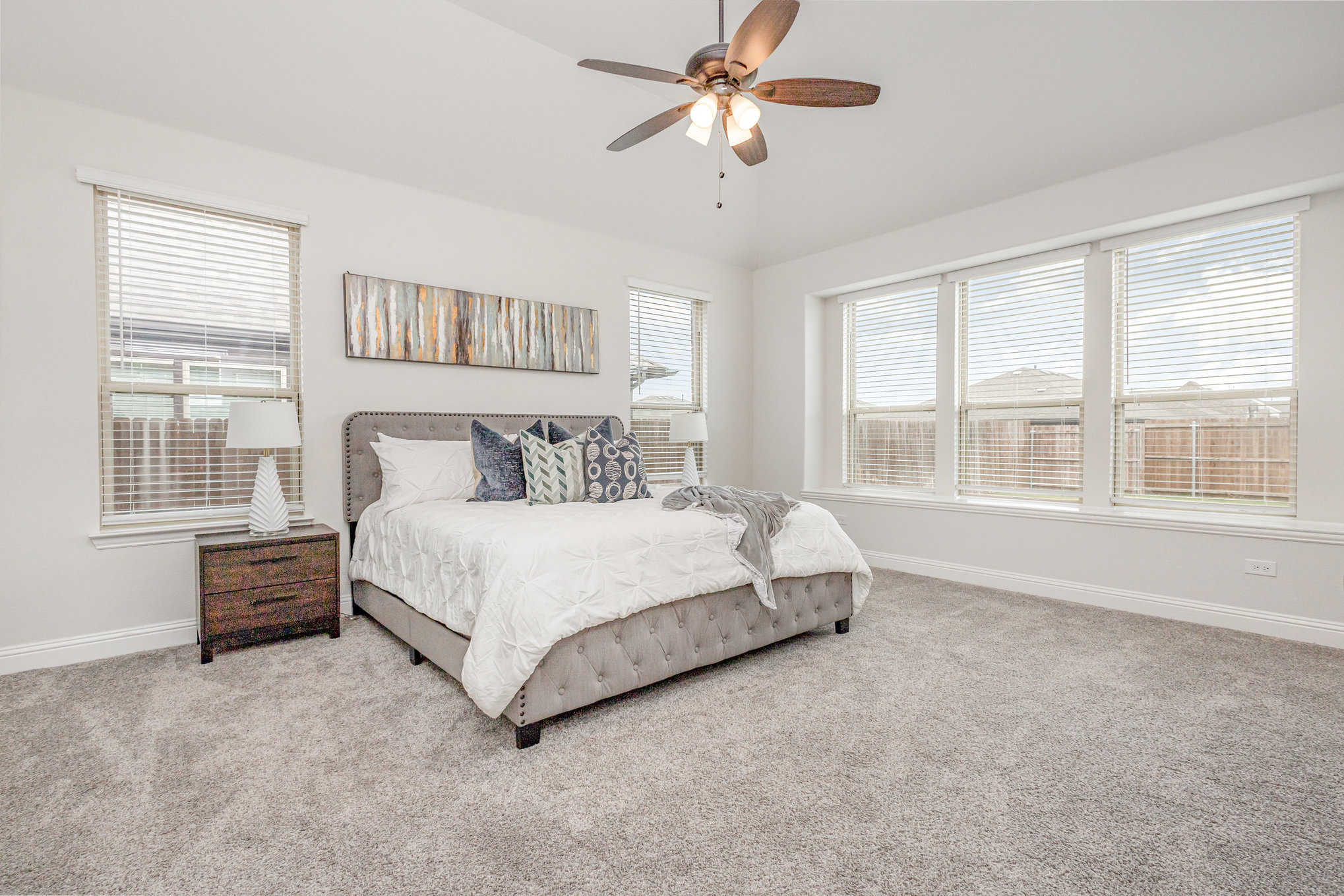 Primary Suite
A serene retreat with sophisticated, uncluttered styling.
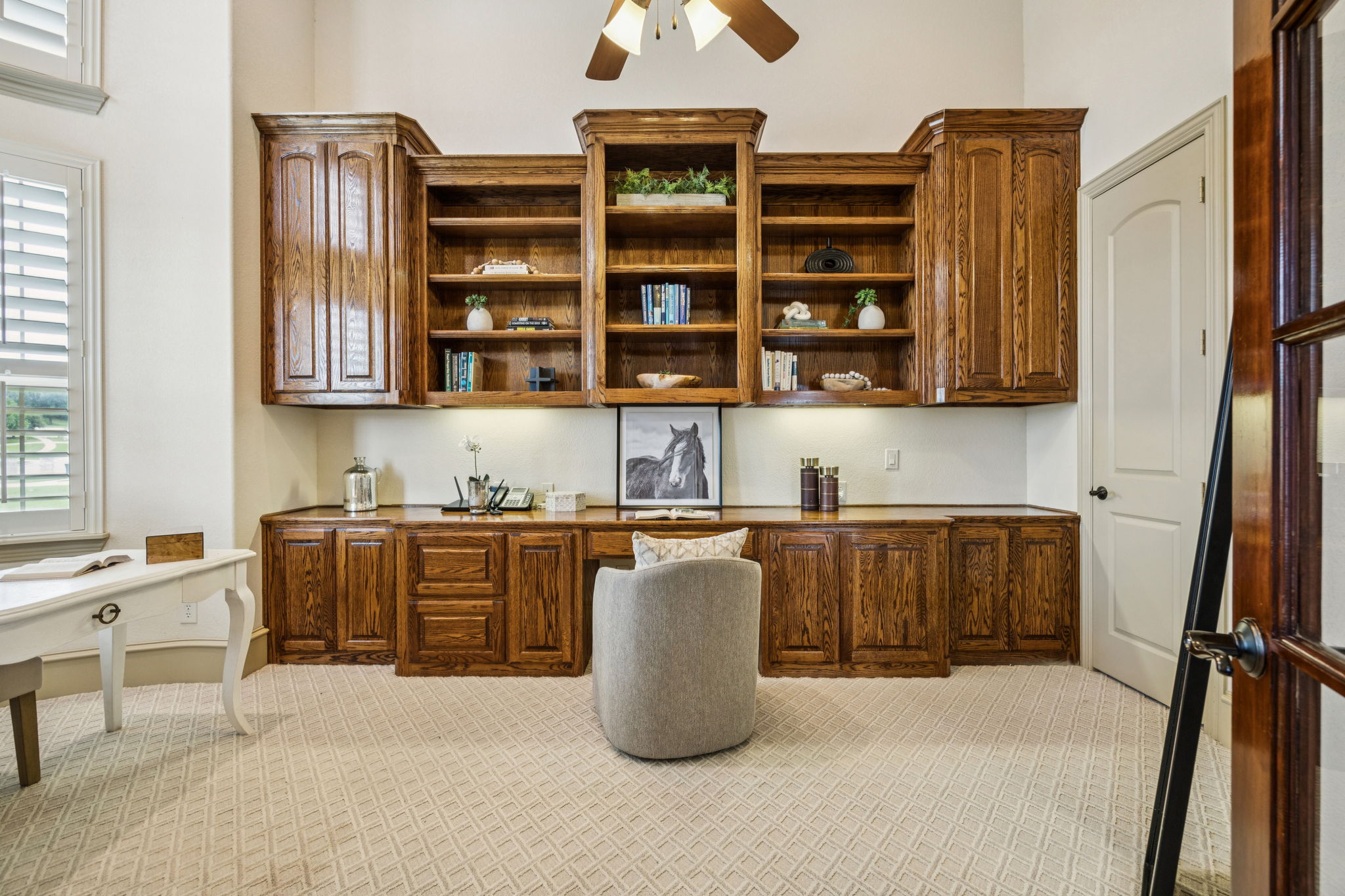 Home Office
A dedicated space that shows flexible, functional use.
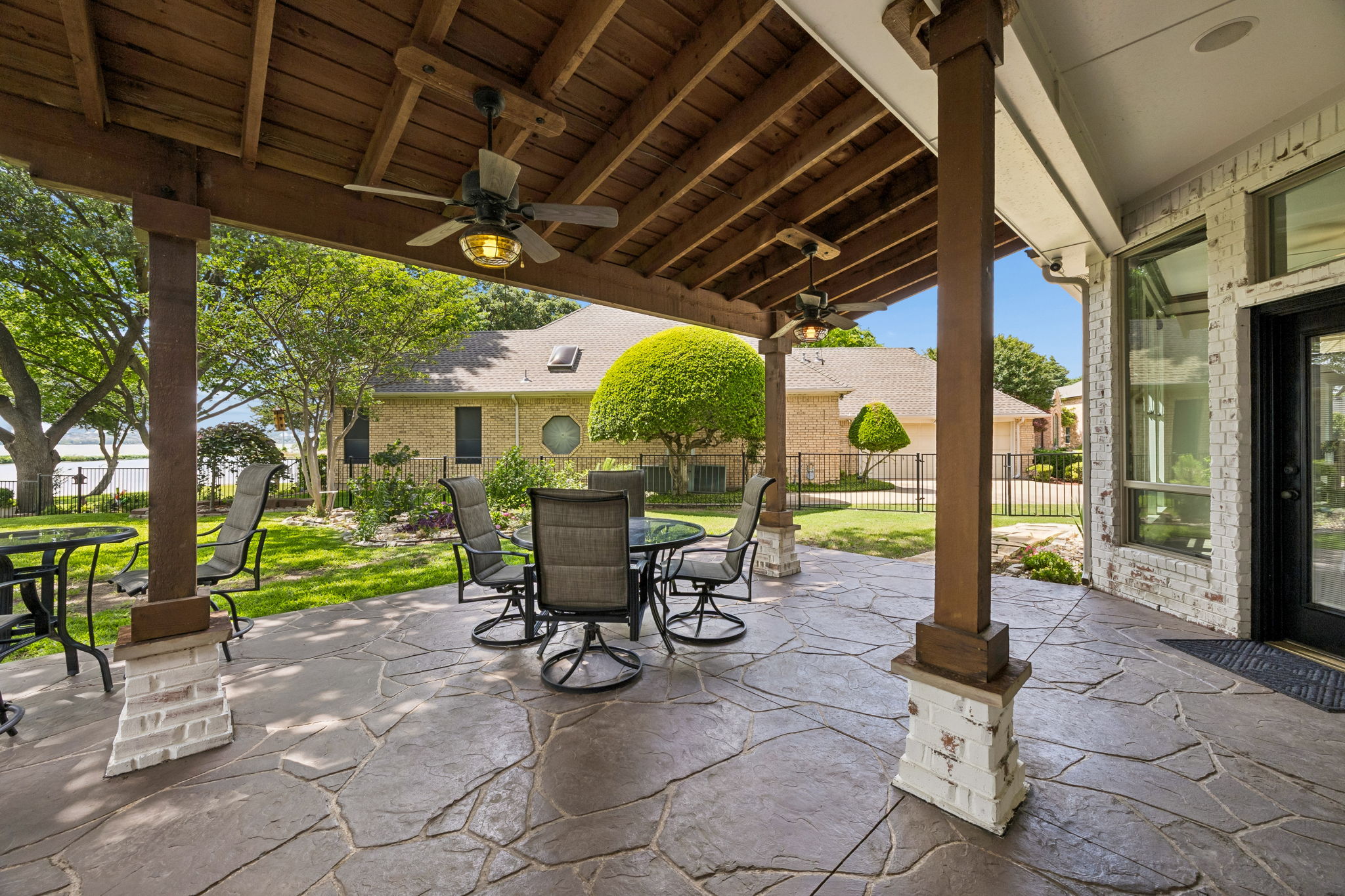 Outdoor Space
Covered patios and outdoor living, shown off properly.
Full staging packages with my preferred partners start around $2,300 and scale based on your property's size and needs. That's a bigger investment than accessory or virtual staging, but the returns are real: staging typically costs 1–3% of the asking price, and for every dollar invested, sellers can see up to $5.50 back.
Most Beneficial For
- Luxury homes — buyers expect a presentation that reflects the lifestyle and highlights the home's best features.
- Vacant properties — empty rooms feel cold and uninviting. Staging adds warmth, scale, and purpose.
- Unique or challenging floor plans — staging demonstrates functional flow that's hard to picture on your own.
Mid-Range vs. Luxury: Matching Your Investment to Your Home
Not every home needs the same level of staging investment, and where your property sits on the local price spectrum should drive the decision. What works for a typical mid-range home might fall short for a high-end estate — and vice versa. These market segments vary by location and local economic conditions, so the right call depends on where you actually are, not a general rule.
Mid-Range Properties
Accessory staging combined with virtual staging typically delivers strong results without a significant additional investment. Buyers at this level are balancing practical needs with emotional appeal, and they respond well to homes that feel move-in ready.
- Accessory staging provides the polish for great photos
- Virtual staging fills empty spaces for online appeal
- The combined approach keeps costs low while maximizing visual impact
- ROI is strong because a modest investment drives faster sales
Luxury Properties
Higher-end buyers are shopping aspirationally — they want to picture a lifestyle, not just square footage. For luxury properties, full furnishing staging is usually the right call for achieving top-dollar offers and minimizing time on market.
- Luxury buyers expect complete, sophisticated presentation
- Empty luxury homes feel cold and undersell the price point
- Full staging clarifies scale, flow, and architectural features
- The investment often returns multiples through price premiums and faster sales
Key consideration: before deciding, look at your local market — what similarly priced homes in your area are doing, whether they're sitting or selling quickly, and where your home is positioned price-wise locally. A $500,000 home might be mid-range in a higher-cost market but a top-tier listing in a more affordable one. Your staging investment should match local expectations, not a national average.
What Buyers Notice Most: Key Rooms That Sell
Not every room carries equal weight with buyers. Certain spaces get disproportionate attention during showings, and those are exactly where staging effort pays off most. Buyers are evaluating lifestyle as much as livability — can they see themselves entertaining here, working from home comfortably, unwinding at the end of the day? Staging answers those questions before buyers consciously ask them.
 Living Areas
Where buyers picture gathering with family and friends. Open flow, comfortable seating, and architectural features like fireplaces matter here.
 Kitchen & Dining
The heart of the home. Buyers spend real time evaluating function and imagining meals here.
 Primary Suite
The retreat. Uncluttered surfaces and thoughtful lighting create the calm buyers are looking for.
 Home Office
Remote work has made this space essential. A well-staged office shows productivity and flexible use.
 Outdoor Living
Patios and decks extend the living space. A staged dining or fire pit setup shows buyers how to actually use it.
"Buyers don't buy houses — they buy the lifestyle those houses represent. Strategic staging in these five areas creates the connection that turns a prospect into a buyer."
Should You Stage? Ask These Questions
Deciding whether to stage, and how much to invest, doesn't have to be complicated. A few honest questions about your property and goals will point you toward the right answer.
Will photos look flat or empty without staging?
Your online photos are often the only first impression you get. Empty rooms photograph smaller and less inviting than they feel in person. If you answered yes, staging is worth it.
Is your home vacant, oversized, or uniquely laid out?
Vacant homes need staging to show scale and purpose. Oversized rooms can feel cavernous without furniture for context, and unusual layouts confuse buyers who can't picture how the space works. Any of these favor staging.
Are you targeting higher-end buyers in your market?
Affluent buyers are used to model homes and polished presentations. If your target buyers expect that and comparable listings are providing it, going without puts you at a real disadvantage.
Is staging more cost-effective than risking a price reduction?
A staging investment can look significant until you compare it to a price reduction after 60 days on market. Homes that sit lose perceived value. Strategic staging often costs less than the reduction it helps you avoid.
Additional Considerations
- What are comparable homes in your area doing?
- How quickly do you need to sell?
- What's your expected list price and profit margin?
- Are you willing to invest upfront for a faster sale?
- Does your home have features that need showcasing?
Staging is an investment in marketing, not a decorating expense — and it almost always pays for itself through faster sales and stronger offers.
The Bottom Line: Staging Is Marketing, Not Decorating
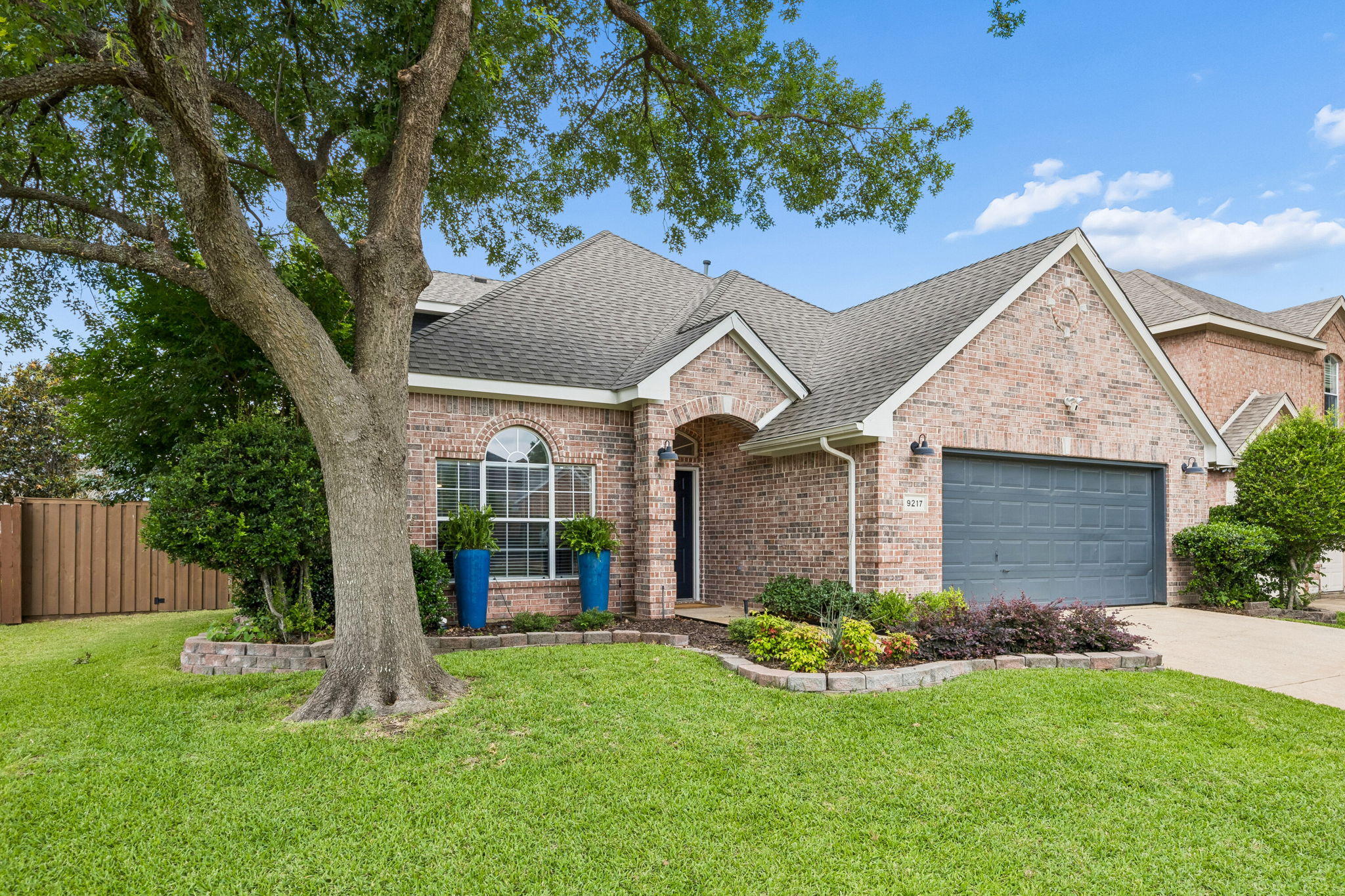
Staging isn't about making your home pretty. It's about positioning your property to sell faster and for more money. It's a marketing tool that bridges the gap between a house and a home in a buyer's mind — the thing that turns a casual look into a serious offer.
Every staging decision should be measured against return on investment. Whether that's the accessory staging included with your listing, virtual staging for online impact, or full furnishing for a vacant or higher-end home, you're making a calculated call about reducing time on market and maximizing what you walk away with.
Capture Attention Online
Staging helps your listing stand out in crowded search results.
Generate More Showings
Strong visual appeal turns online browsers into scheduled tours.
Create Emotional Connection
Staged homes help buyers picture their future in the space.
Receive Stronger Offers
Well-staged homes command higher prices and more competition.
Close Faster
Fewer days on market means less carrying cost and less stress.
"The homes that sell fastest and for the most money aren't necessarily the best homes — they're the best-presented homes."
Top 5 Tips to Sell Faster
In a competitive market, first impressions matter more than ever. Staging isn't about decorating — it's about strategy.
1. Stage to Highlight Space
Buyers struggle to visualize how to use a space that's empty or cluttered. Staging solves this with defined, purposeful areas that maximize how big and functional the space feels.
- Use appropriately scaled furniture to show flow and fit
- Eliminate bulky or oversized pieces that overwhelm the room
- Keep walkways clear to emphasize openness
Result: buyers picture themselves living there, and the home feels larger and more inviting.
2. Neutralize for Broader Appeal
Your personal style may be bold, but buyers need a clean canvas to project their own lives onto.
- Swap loud paint colors for soft neutrals
- Remove personal photos, niche collectibles, and themed décor
- Keep accessories simple — glass, greenery, texture
Result: a home that resonates with a wider pool of buyers.
3. Maximize Natural Light
Light sells homes. A well-lit room feels cleaner, larger, and more welcoming.
- Open all blinds and curtains
- Replace heavy drapes with light-filtering panels
- Add mirrors to reflect light and create depth
- Swap in daylight-tone LED bulbs
Result: brighter spaces lift mood and improve your listing photos.
4. Create Inviting Entryways
Curb appeal starts at the front door and continues into the entry.
- Add a fresh doormat and potted plants at the entrance
- Make sure the front door is clean or freshly painted
- Keep shoes, coats, and clutter hidden or minimized
Result: a warm first impression that helps buyers feel at home right away.
5. Guide Buyers Emotionally
Staging is psychological — it helps buyers connect with how the home feels and functions.
- Use lifestyle cues: a reading nook, a cozy patio setup
- Keep pets and their belongings out of sight during showings
- Highlight lifestyle-specific spaces like a home office or gym
Result: an emotional connection that leads to faster, more confident offers.
Staging Success Stories
A picture is worth a thousand words. Here's the difference thoughtful staging made on real properties.
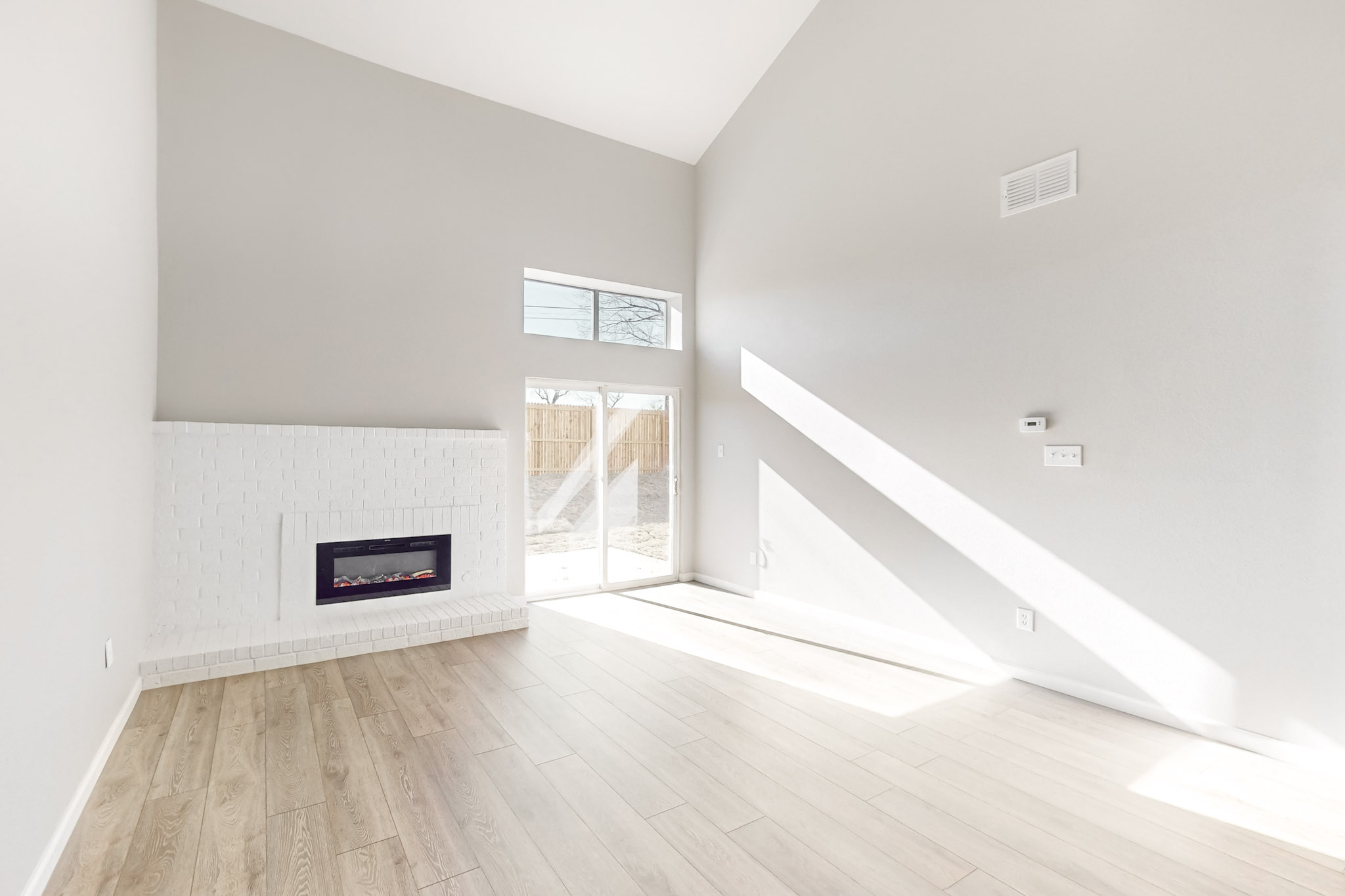 Before
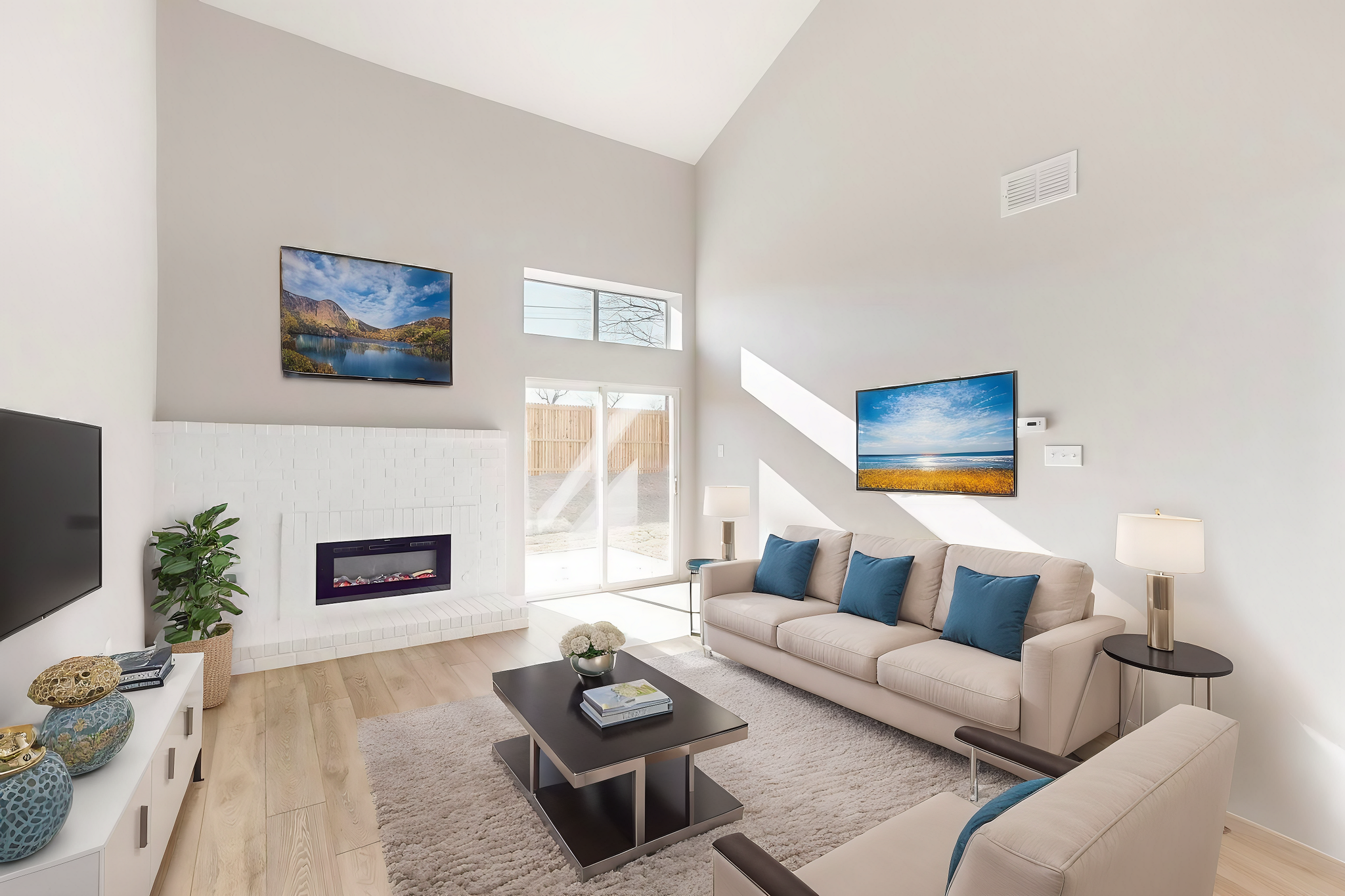 After
After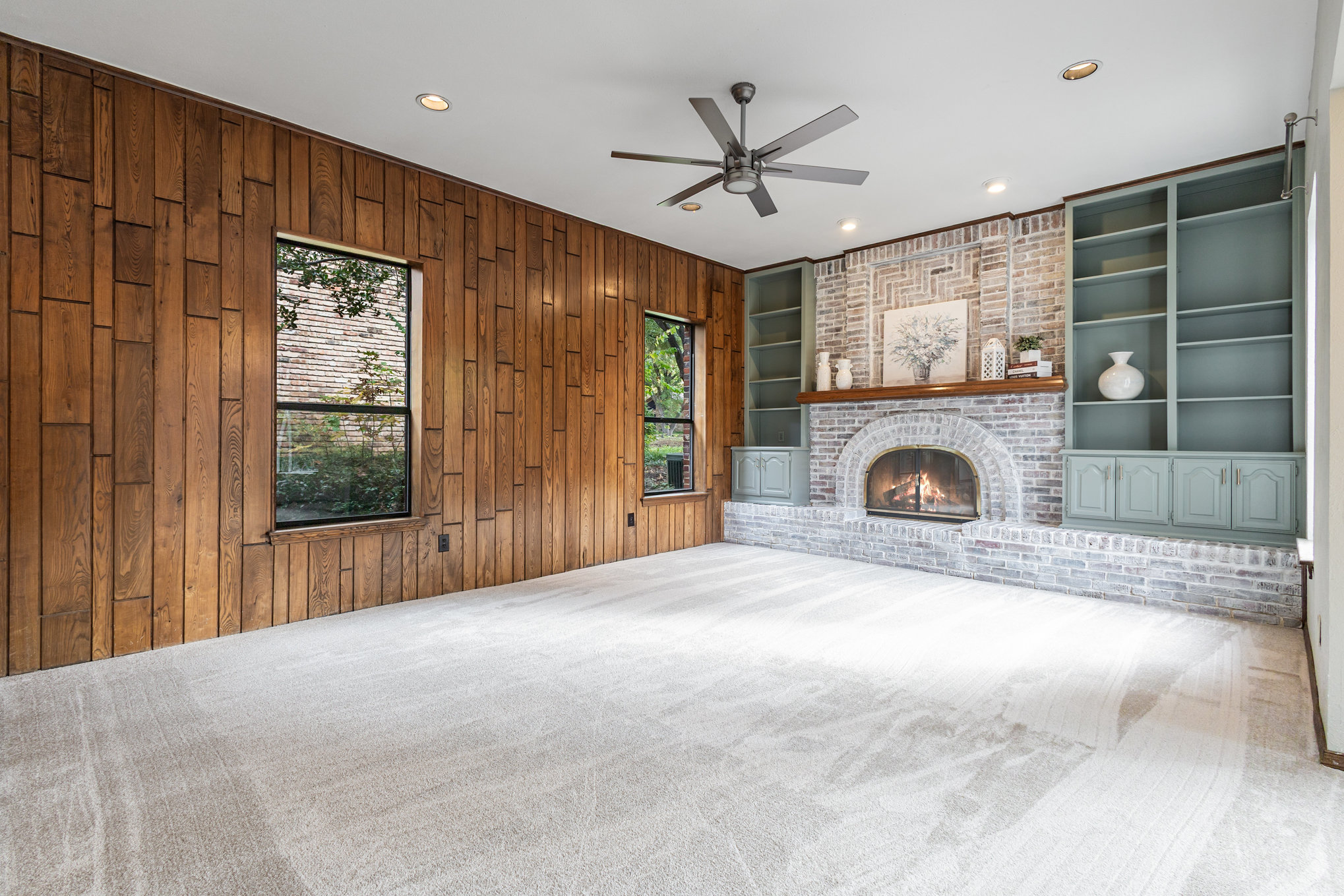 Before
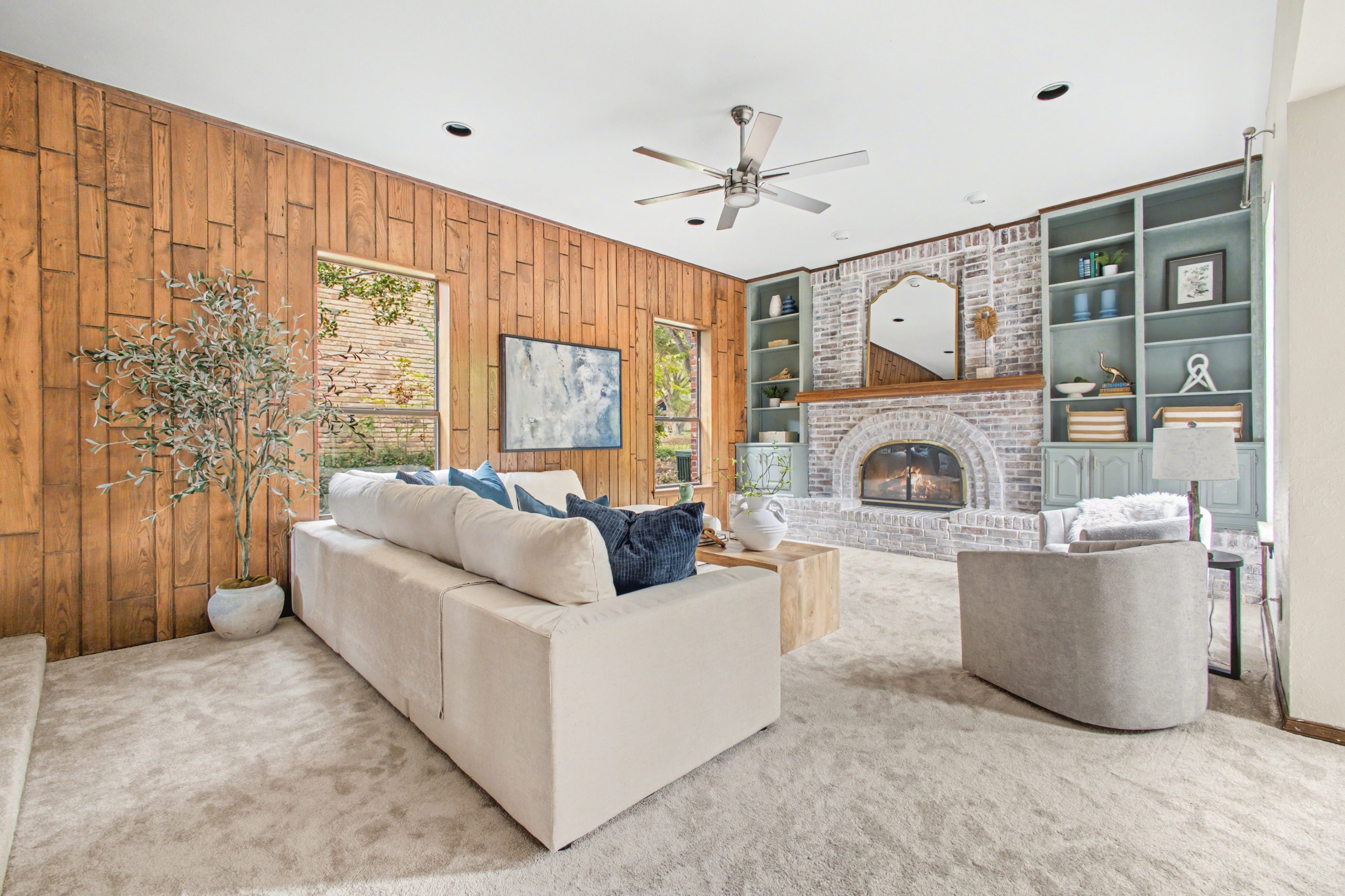 After
After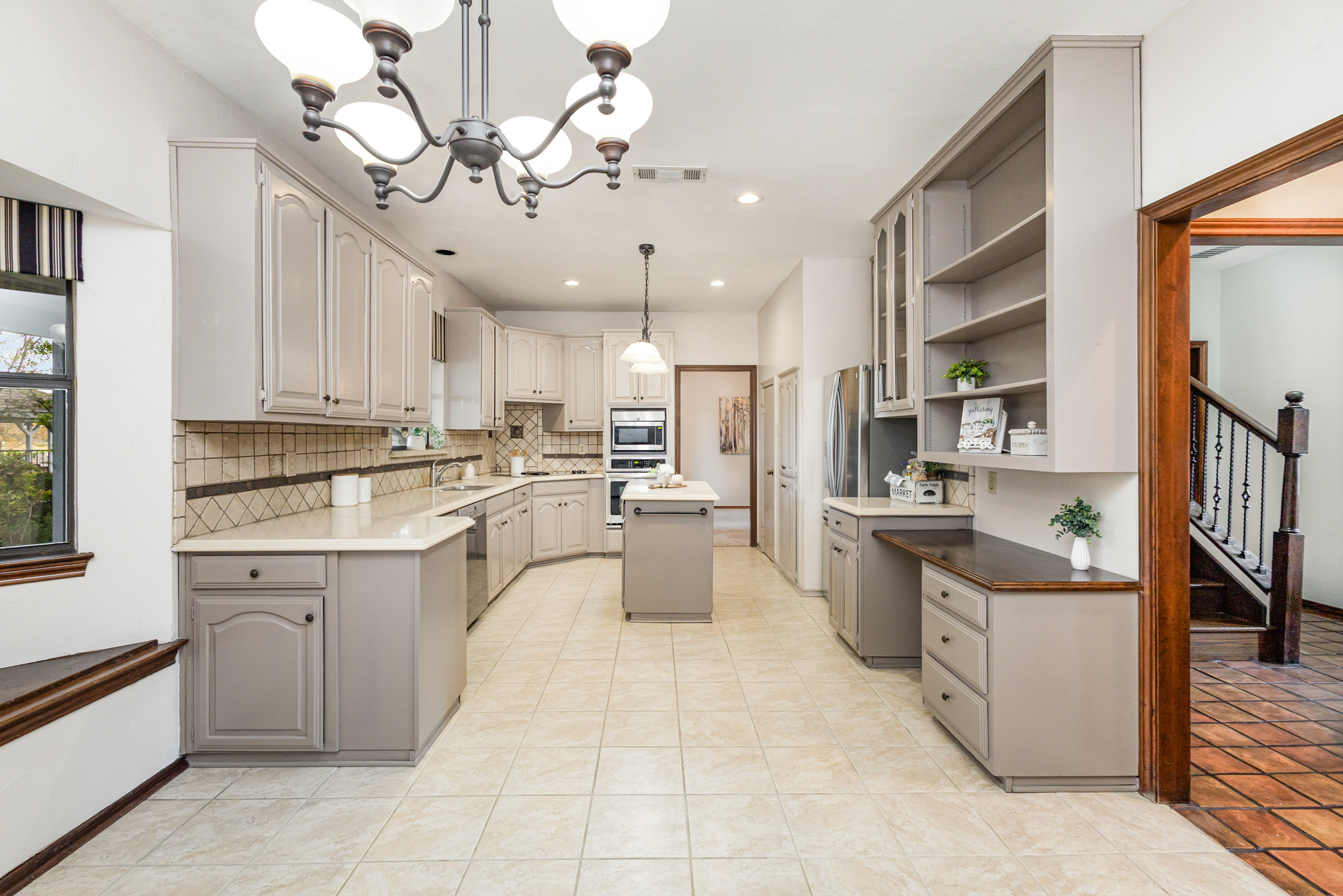 Before
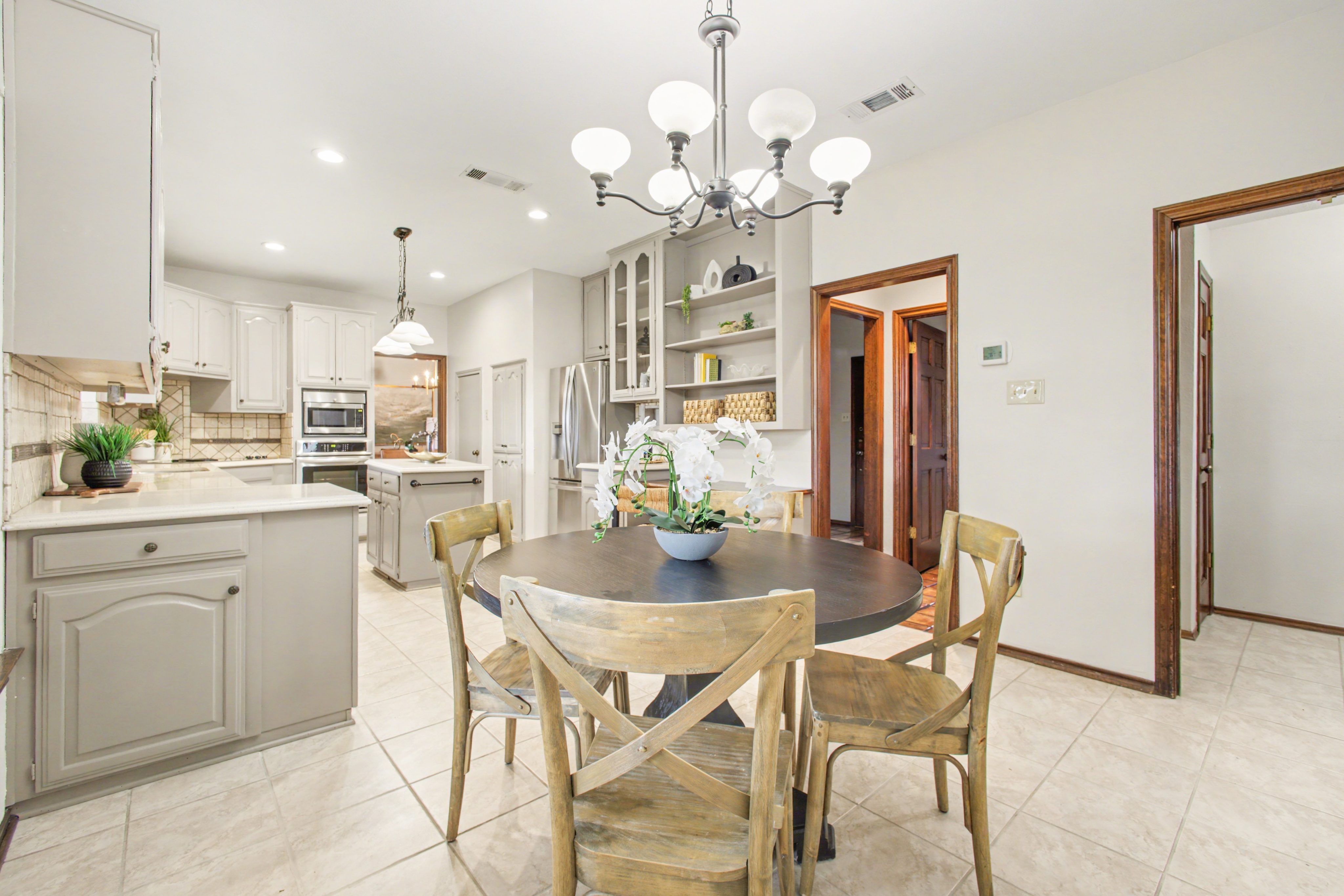 After
After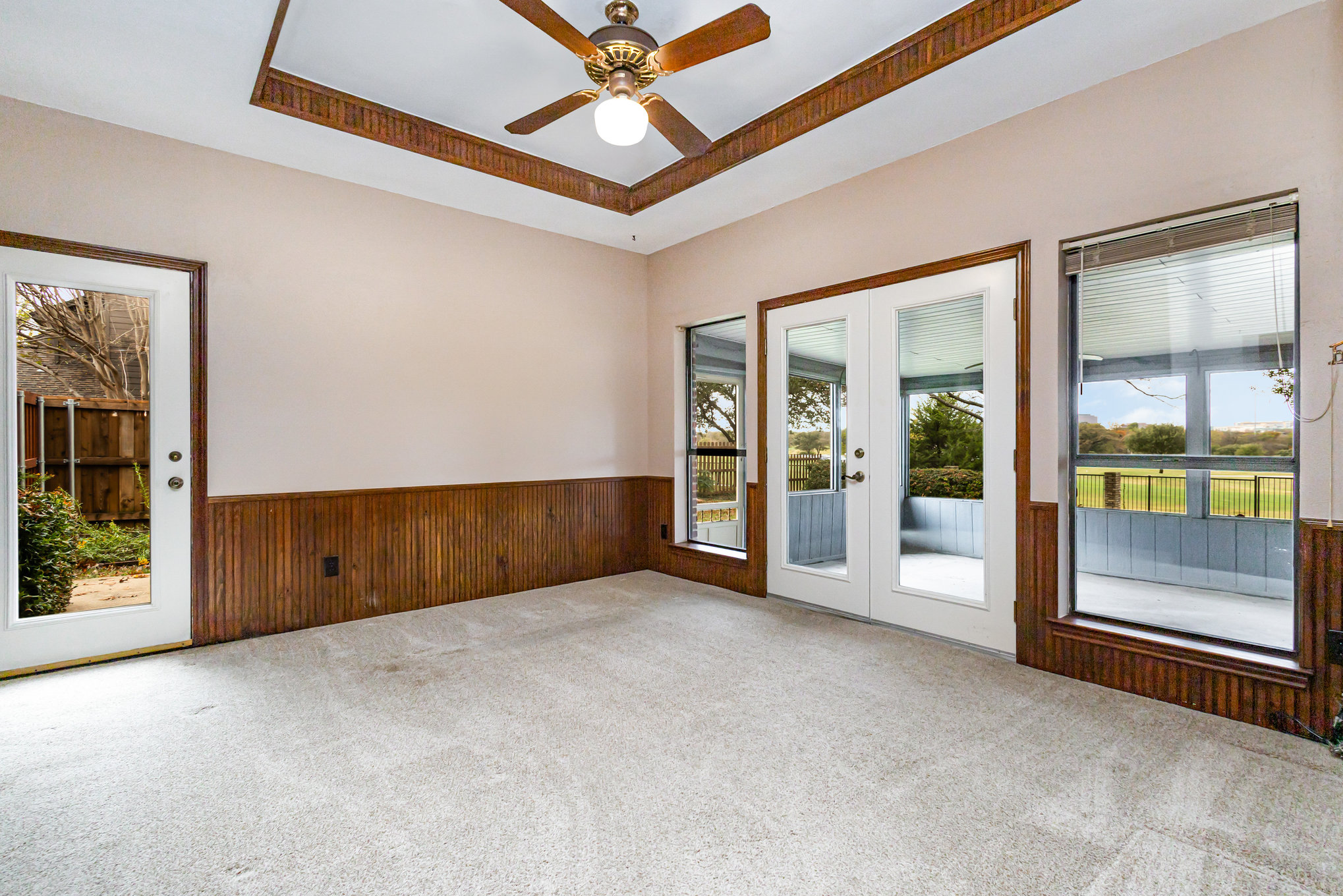 Before
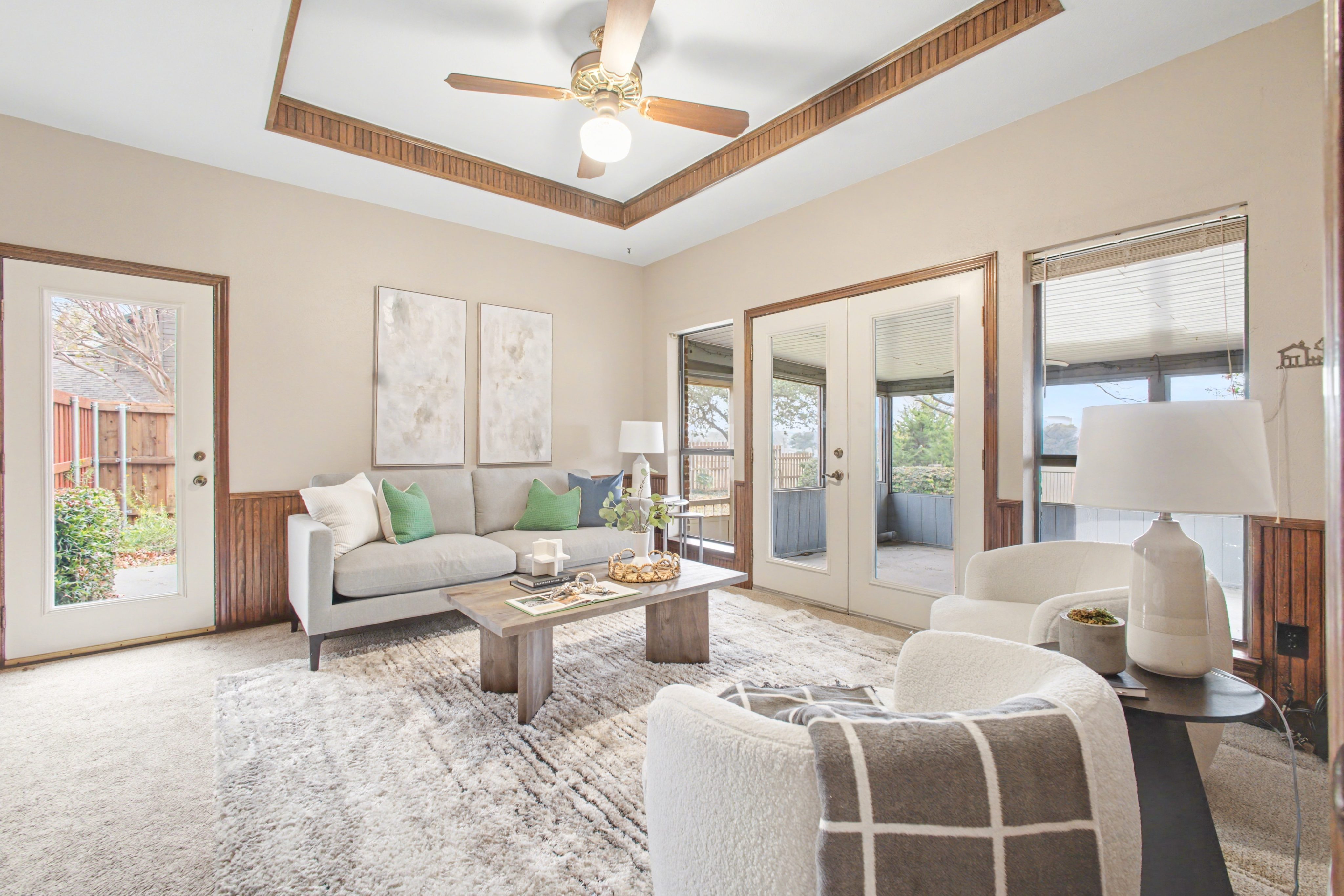 After
AfterReady for a Staging Consultation?
Every seller I work with receives a complimentary staging walkthrough. I'll assess your home, discuss your goals and timeline, and recommend the staging approach that makes sense for your property and price point.
Schedule Your ConsultationOr reach me at 972.679.1789 · [email protected]
Perfect Home Finder
Buying a home? Why not take a few minutes to fill out a form to describe your ‘dream’ home and see if we can’t find a matching property?
What's My Home Worth?
Want to know what your home is worth? Let our experts prepare a free home analysis for your City area home! Just fill out our form!