Contact
Office Locations
Home Office:
The Dunnican Team
9106 Royal Burgess Dr
Rowlett TX 75089
Rockwall Office:
Coldwell Banker Apex, Realtors®
2555 Ridge Road #144
Rockwall TX 75087
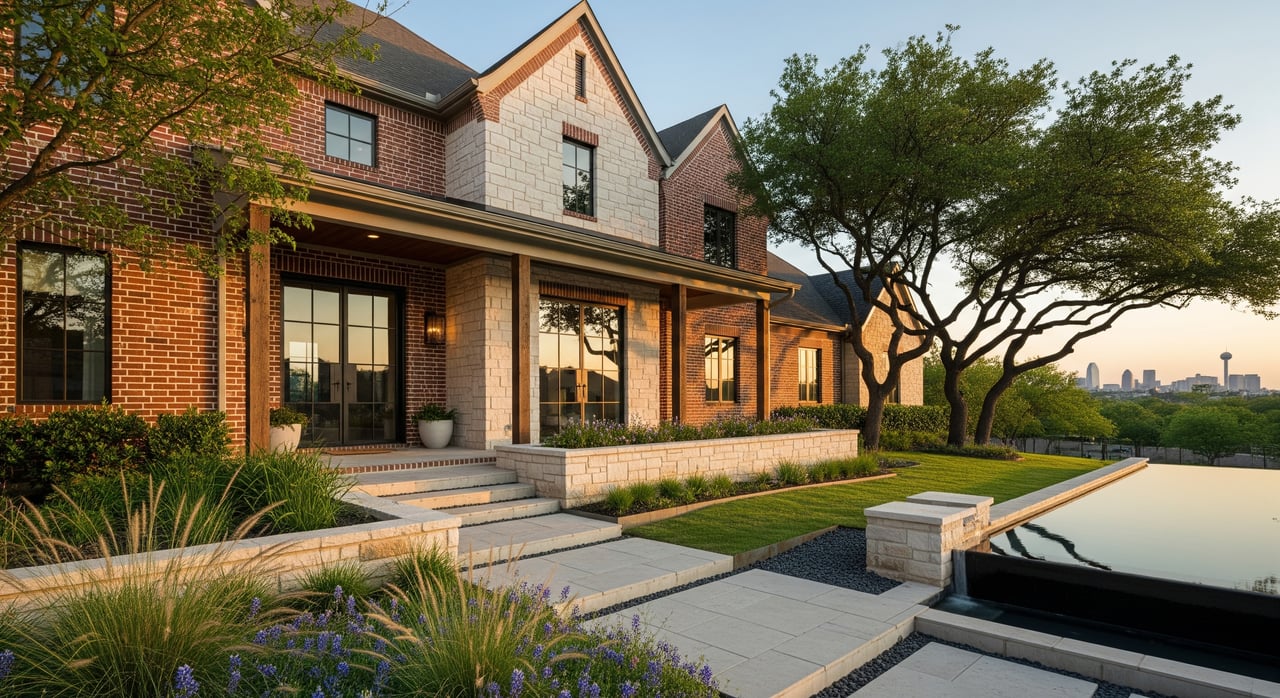
Home equity grows in two main ways: through paying down your mortgage and through appreciation driven by market conditions and property improvements. While market appreciation is outside your control, the projects you choose—and the order you do them in—can significantly influence long-term value.
For homeowners in North Texas communities like Rowlett, Rockwall, Heath, Wylie, Sachse, and the surrounding DFW suburbs, neighborhood standards and buyer expectations vary widely. Construction costs, school district influences, and even MUD/PID obligations can shape what improvements make sense and how much equity they return. Strategic, well-planned updates can help you increase equity without over-investing or pricing yourself out of your neighborhood.
This guide outlines which projects add value in our local market, which ones don’t, and how to plan updates that make sense for your home, your neighborhood, and your budget.
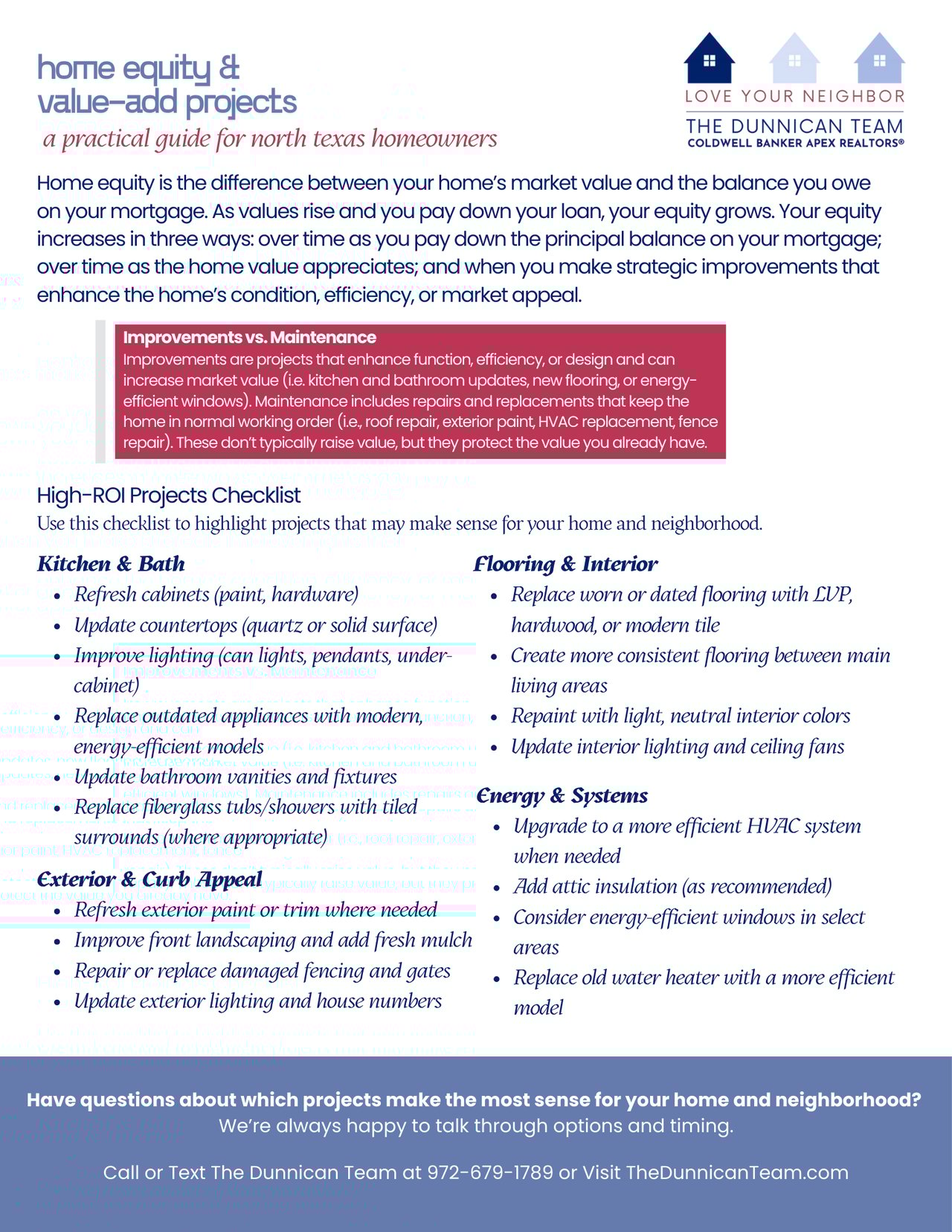
Home equity is the difference between your home’s market value and the balance you owe on your mortgage. As values rise and you pay down your loan, your equity grows.
Equity can be leveraged for:
If you ever want an updated estimate of your home’s current equity position, our North Texas Market Reports or a custom CMA can help provide clarity.
The Difference Between Improvements and Routine Maintenance
It’s important to distinguish between true home improvements and routine maintenance. Updates like kitchen remodels, bathroom upgrades, new flooring, or energy-efficient features can increase your home’s market value and appeal to buyers. Maintenance items—such as roof repairs and replacements, exterior paint, HVAC replacements, fence repairs, and general upkeep—do not increase value on their own. Instead, they protect the value you already have by preventing deterioration and ensuring the home remains in good condition. Buyers expect these items to be working and well maintained, which is why completing them is essential, even if they don’t directly boost equity.
These projects consistently provide strong returns and align with buyer expectations across DFW.
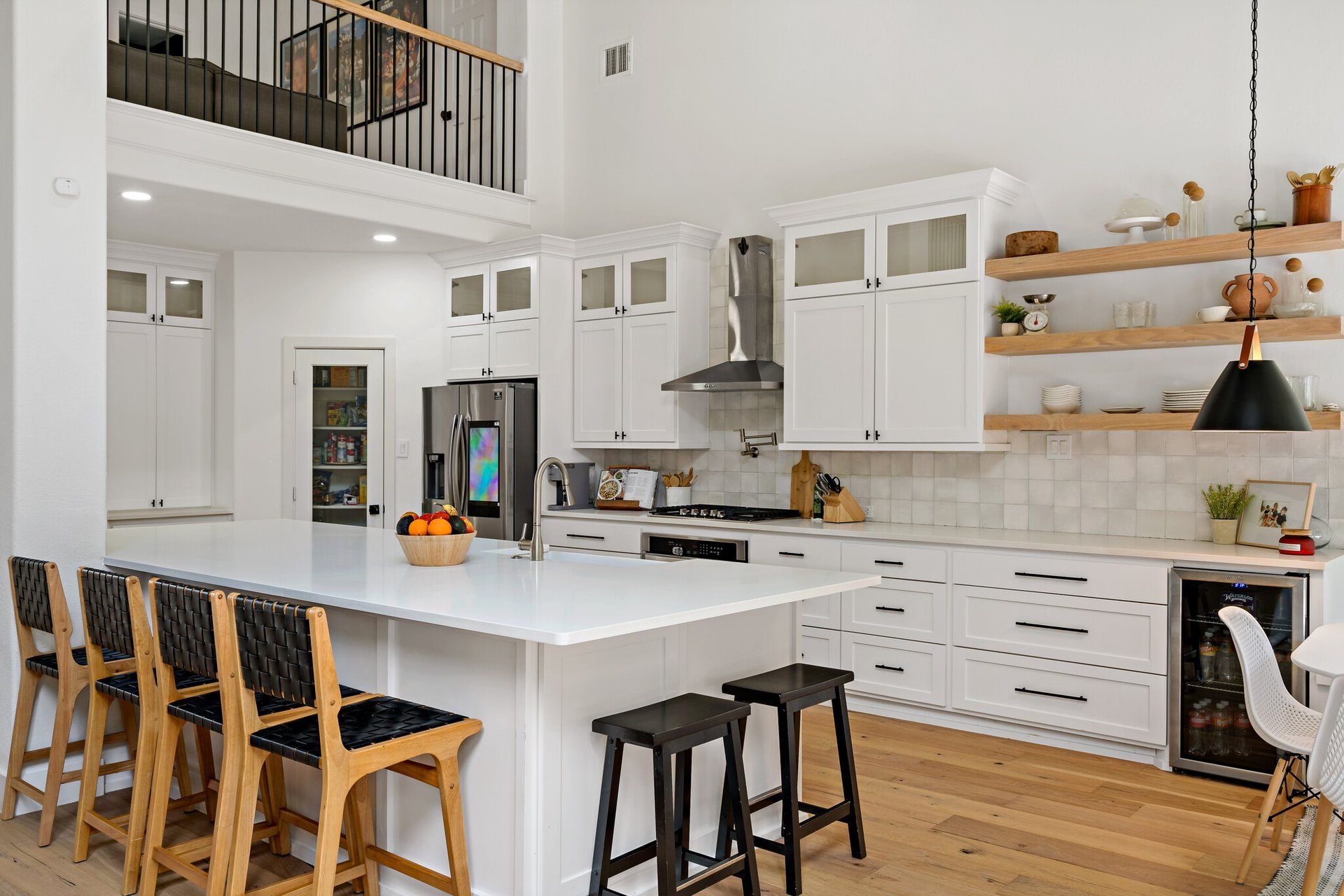
A full remodel isn’t always necessary. High-ROI upgrades include:
Painting cabinets
Updating hardware & lighting
Installing new countertops (quartz preferred)
Replacing old appliances with stainless steel
Buyers respond strongly to clean, neutral, updated finishes.
Value-add updates include:
New vanities with stone countertops
Tiled showers
Updated flooring
Modern fixtures and lighting
Upgrading to LVP, hardwood, or modern tile improves both appearance and durability. Consistent flooring throughout the main areas always performs well on resale.
High-return upgrades include:
New Energy-efficient HVAC systems
LED lighting
Energy-efficient windows
Added attic insulation
See Seasonal HVAC Maintenance for system care guidance.
Value-driven updates include:
Fresh exterior paint
Updated landscaping
Repaired or replaced fencing
Modern lighting or house numbers
Highly customized built-ins can limit how future buyers use a room. What works perfectly for your lifestyle—like a wall-to-wall desk, crafting area, or oversized media center—may not fit someone else’s needs. Because these features are costly to remove or modify, they often reduce buyer appeal and offer little to no return on investment.
Converting a garage into living space often reduces your home’s appeal because most buyers prioritize secure parking and storage. Even a well-done conversion can feel out of place if the neighborhood expects functional garages. As a result, garage conversions frequently return less value and may even limit your future buyer pool.
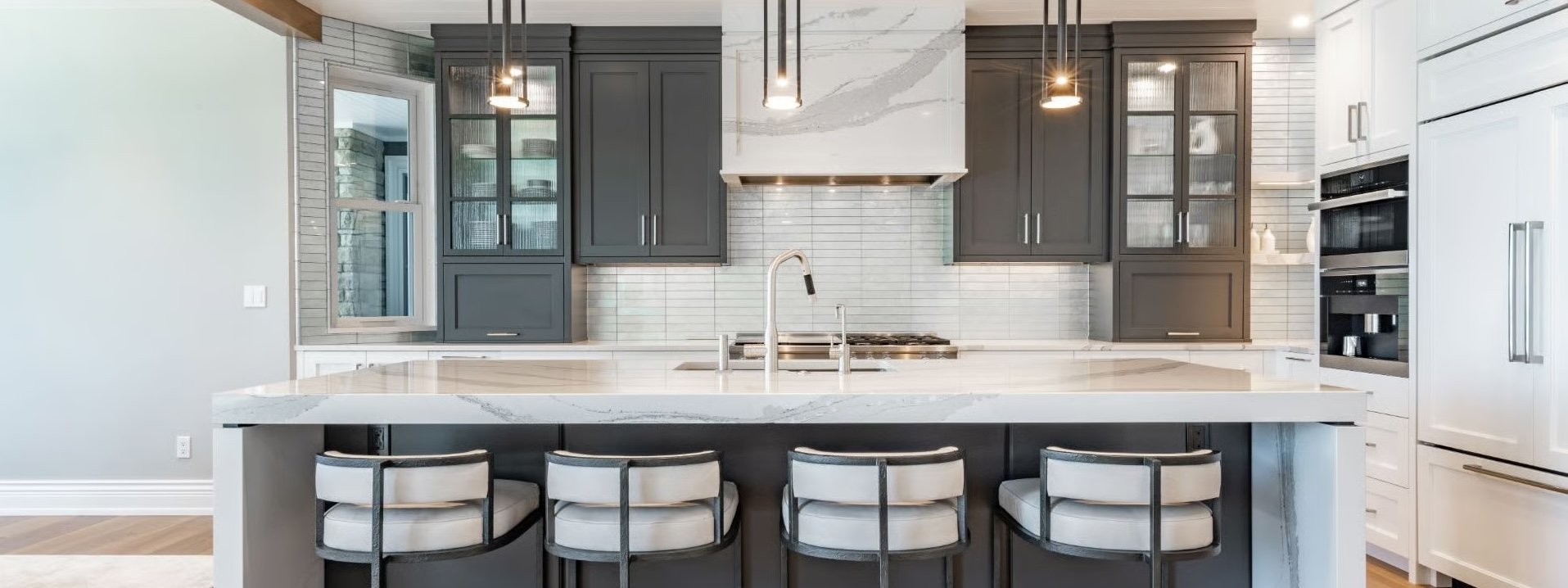
High-end finishes in a mid-priced neighborhood can create a mismatch between your home and surrounding comparables. Even if the upgrades are beautiful, buyers may not be willing to pay a premium beyond the neighborhood standard, increasing the risk of over-improvement and reducing your potential return.
Pools can add value in some neighborhoods, but in others they narrow the buyer pool and increase ownership costs. In mid-priced areas where buyers prioritize affordability or low maintenance, a pool may not return its full cost and can even reduce demand. Because value is highly location-specific, pools carry a higher risk of over-improvement unless the surrounding homes support them.
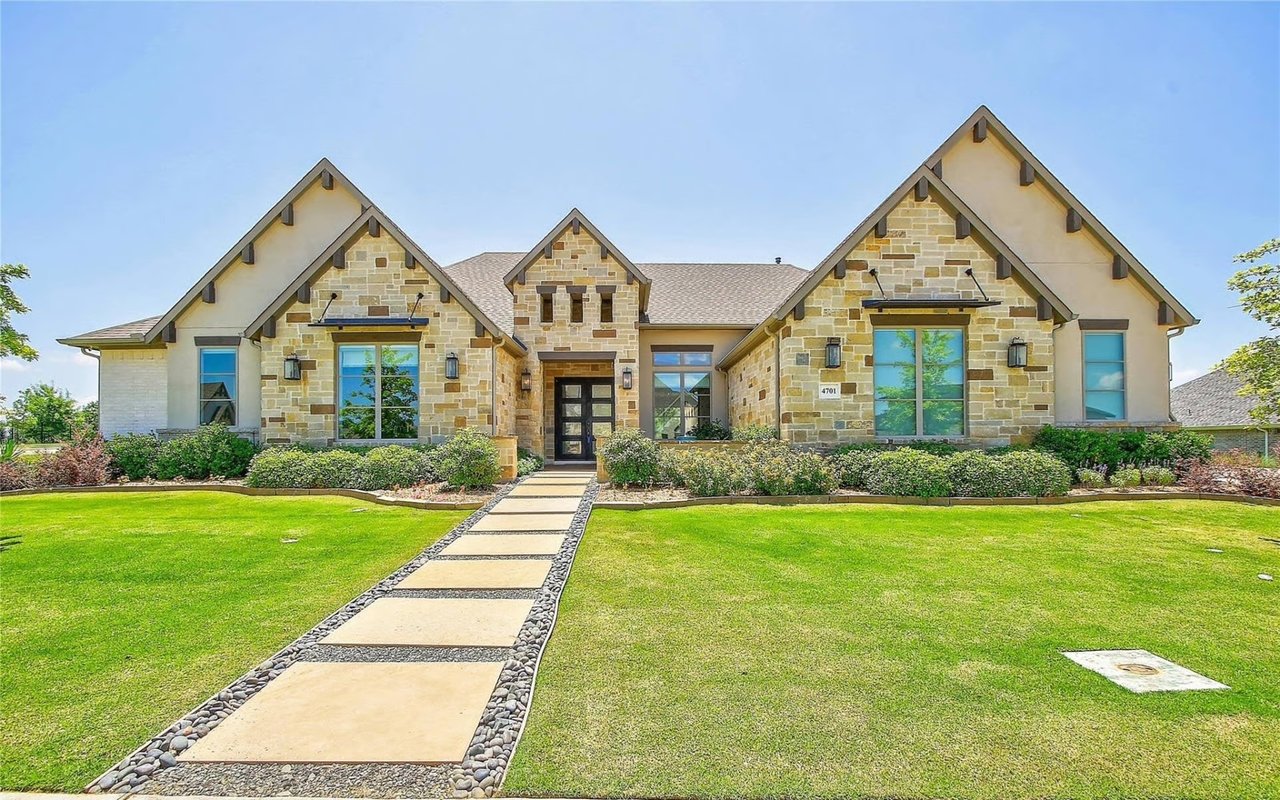
Upgrades should align with what’s typical in your area. Going far above neighborhood norms often leads to spending more than you can recover at resale.
Address essential components—foundation, roof, HVAC, plumbing, and drainage—before investing in cosmetic improvements. These items protect your home’s value and prevent costly surprises later.
See DFW Foundation Maintenance for structural guidance.
Some projects look great and feel rewarding but don’t meaningfully increase market value. Understanding which upgrades deliver financial returns helps you allocate your budget more effectively.
Buyer expectations in DFW can vary significantly from one neighborhood to the next. A quick consultation can help you avoid over-improving and ensure your plans align with local market trends.
Older floor plans, closed-off rooms, or awkward traffic flow can limit functionality and hurt resale appeal.
When multiple issues—like worn cabinets, aging fixtures, or damaged surfaces—appear in one space, a strategic renovation can be more cost-effective than piecemeal fixes.
Mixed materials or outdated finishes can make a home feel patchworked. Consistent, modern flooring often delivers a strong return.
If your HVAC, windows, or water heater are due for replacement, it may be a good time to update adjacent finishes to improve overall efficiency and appeal.
Targeted updates can help your home compete better in the market—but planning ahead ensures you choose improvements that deliver the best return and avoid unnecessary expenses. Download our Exclusive Seller Tool: Market Ready: The Ultimate Home Seller Guide
Changing circumstances—like working from home, needing more storage, or wanting better use of shared spaces—can signal it’s time to reconfigure certain areas. Renovations that improve functionality often deliver strong long-term value.
Not always. In many cases, strategic repairs, deep cleaning, paint, and staging are more cost-effective than a full remodel. Major renovations rarely return 100% of their cost, especially if they push your home above the neighborhood standard.
If your home is structurally sound and cosmetically up to date, a remodel may not be necessary. But if certain areas look dated compared to other homes on the market, selective improvements (like new flooring, refreshed cabinets, or updated fixtures) can help your home show better and justify a stronger price. The key is choosing updates that appeal broadly to buyers—without over-improving.
Maintenance doesn’t add value—it protects it. Tasks like roof replacement, exterior paint, HVAC upgrades, fence repair, or plumbing fixes keep your home functioning properly and prevent deterioration, but buyers expect these items to be in good working order.
While maintenance isn’t a value booster, deferred maintenance absolutely lowers value, often more than homeowners realize. Well-maintained homes appraise more smoothly, attract stronger buyers, and sell with fewer concessions.
The most impactful updates are those that improve function, modernize high-use spaces, and align with buyer expectations in your neighborhood. Kitchens, bathrooms, flooring, and energy-efficient systems tend to create the strongest return because they influence both the appraisal and buyer perception.
However, the right update depends heavily on your home’s current condition and the standard in your specific area. A smaller, well-targeted refresh (new countertops, cabinet paint, updated lighting) often outperforms a full renovation. If you’re unsure, a quick consultation or CMA can help you determine which improvements will move your home’s value the most.
In most North Texas neighborhoods, the strongest ROI comes from:
Kitchen refreshes (painted cabinets, new counters, updated lighting)
Bathroom improvements (tile showers, modern vanities, new fixtures)
Consistent, updated flooring
Energy-efficient upgrades (HVAC, windows, insulation)
Curb appeal improvements (paint, landscaping, lighting)
These upgrades improve daily livability and showing appeal, making them attractive to buyers and appraisers alike.
Yes—when done thoughtfully. Curb appeal plays a major role in the first impression buyers form, and outdoor areas are increasingly important in DFW. Clean landscaping, trimmed trees, fresh mulch, updated lighting, repaired fencing, or a well-designed patio can improve desirability and help buyers envision themselves in the space.
That said, high-cost, highly personalized outdoor projects (such as custom gardens or elaborate hardscapes) may not return their full cost unless they match neighborhood expectations.
You’re likely at risk when the planned update is significantly above what surrounding homes offer. For example:
High-end finishes in a mid-priced neighborhood
Fully customized built-ins
Converting a garage
Installing a pool where most homes don’t have one
If improvements make your home noticeably more expensive than nearby comparables, you may not recover the cost at resale. Your CMA and neighborhood comps are the best guide for making sure your updates stay aligned with market expectations.
Most homeowners benefit from phased updating, especially if the home is generally in good condition. Spreading updates over time makes budgeting easier and allows you to prioritize high-impact areas first. Full-home renovations can make sense if your home is significantly dated, but they’re more disruptive and carry a higher risk of cost overruns.
A phased approach also allows you to adjust based on market conditions or lifestyle changes.
The most accurate method is a Comparative Market Analysis (CMA) because it incorporates neighborhood trends, buyer demand, and the condition of your home. Online estimates can give a broad range, but they rarely adjust for upgrades, maintenance, or unique features.
Our North Texas Market Reports and custom CMA tools can give you a clear picture of your current equity position and how potential improvements might affect it.
If you’d like recommendations for proven local professionals in North Texas, we’re always here to help—long after closing.

9106 Royal Burgess Dr Rowlett TX 75089
9106 Royal Burgess Dr Rowlett TX 75089