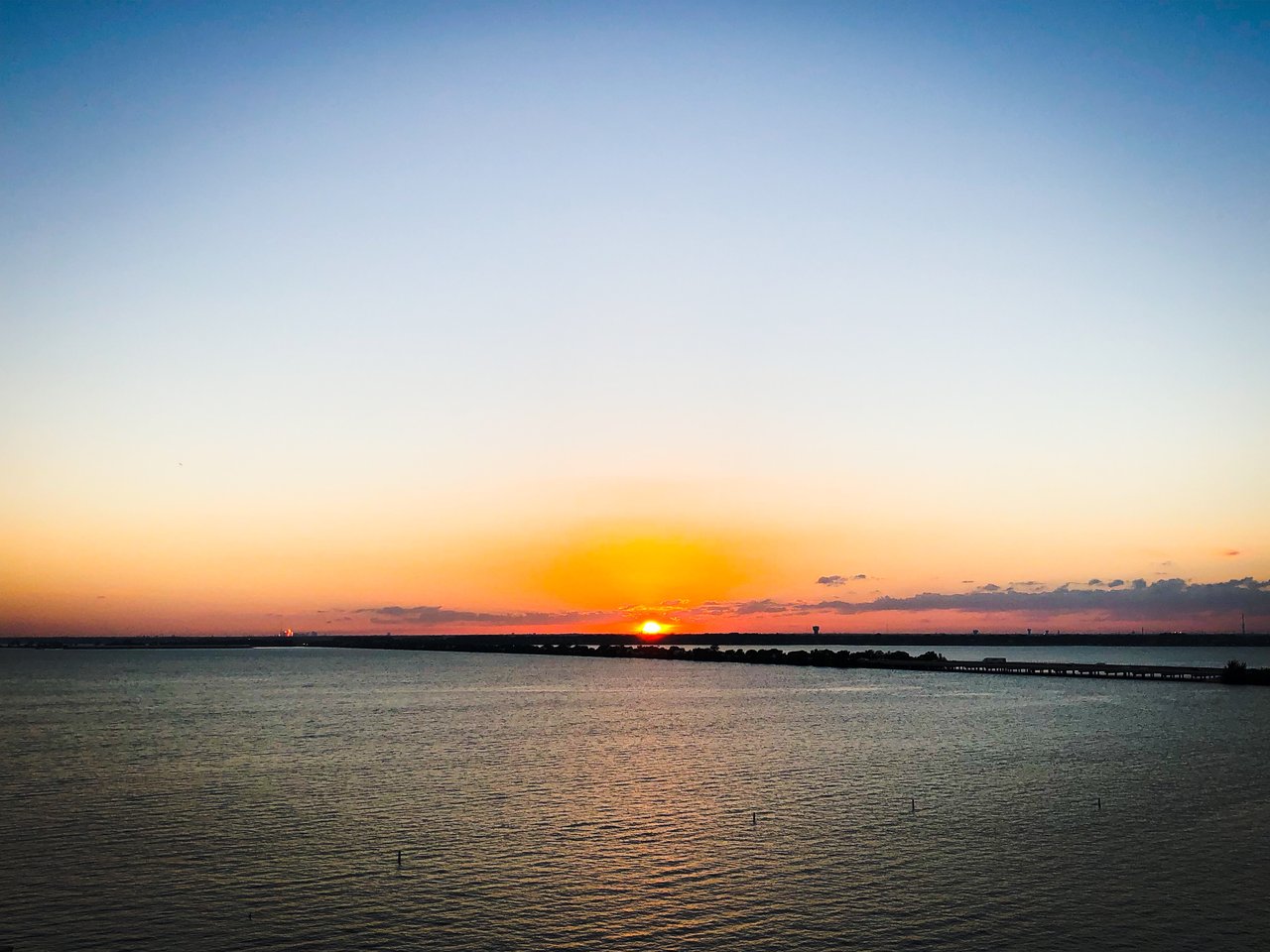
Picture your evenings watching the sun set over Lake Ray Hubbard and a quick walk to the water whenever you want. If you are considering a lakefront move in Rockwall, you are not alone. Lake living here is special, but it comes with extra steps that typical suburban homes do not require. In this guide, you will learn the essentials on price ranges, dock permits, flood maps, HOAs, taxes, and day-to-day trade-offs so you can buy with confidence. Let's dive in.
Lake Ray Hubbard Basics
Lake Ray Hubbard is a Dallas-area reservoir that serves both water supply and recreation. It is owned and managed by Dallas Water Utilities, and water levels change with weather and system needs. That means you should expect some seasonal variation. You can review the lake's size, purpose, and normal elevation on the Texas Water Development Board's overview of Ray Hubbard, which confirms City of Dallas ownership and management responsibilities. Learn more about lake operations and level basics.
What this means for buyers:
- Rules for in-lake structures are public and enforced. Private docks, lifts, seawalls, and dredging are subject to permits.
- Shoreline work often needs engineering plans and inspections.
- Lake access and water depth can shift with levels, so confirm how a property functions in low and high water.
Rockwall Shoreline Access
Rockwall's shoreline offers a mix of public parks and boat ramps, plus private marinas and community amenities. If having a slip or easy launch is important, plan ahead.
- Public ramps and park listings are available on the Texas Parks and Wildlife page for Ray Hubbard. Check public ramp and marina resources.
- If a listing mentions a slip, ask whether it is deeded to the unit, assigned by the HOA, or leased separately at a marina.
- Some gated neighborhoods near the water offer common-area facilities rather than private docks. Verify details before you tour.
What Homes Cost on Lake Ray Hubbard
Over the past year, 23 homes on Lake Ray Hubbard sold across Rockwall, Rowlett, and Heath. Here is how the market actually played out.
Rockwall County's median sale price county-wide runs around $425K, while the city of Rockwall itself trends higher, with recent medians near $550K. Lakefront homes are a different story entirely — they carry a premium that reflects direct water access, lot width, dock rights, and shoreline condition.
Closed sales from the past 12 months:
| Market Metric | Figure |
|---|---|
| Lowest sale | $470,000 |
| Median sale price | $1,095,000 |
| Average sale price | $1,221,000 |
| Highest sale | $2,500,000 |
| Average days on market | 79 days |
| Median days on market | 42 days |
| Average close-to-list ratio | 93.7% |
How sales broke down by price range:
- Under $600K — 3 sales. Older, more modest homes. Thin inventory. Expect tradeoffs on size, condition, or shoreline access.
- $600K–$1M — 8 sales. The most active segment. Communities like Point Royal, Bayview Estates, Spinnaker Cove, and Chandlers Landing were well represented. Homes typically ranged from 2,500 to 3,800 square feet.
- $1M–$2M — 9 sales. Heath, Rowlett's Mallard Reserve and Lakeshore Park, and Rockwall's Hillcrest Shores drove activity here. More lot width, newer construction, and better dock access.
- Over $2M — 3 sales. All in Heath. Larger properties on acreage, typically 5,000–6,100 square feet. These took longer to sell and required more patience on pricing.
The 93.7% average close-to-list ratio tells an important story: sellers who priced accurately still got strong results. The outliers that sat 100+ days were almost always overpriced at launch.
Use fresh, property-specific comps with your agent — lot width, water depth, dock rights, and shoreline condition can swing value more than interior finishes alone.
Lakefront vs. Lake-View
"Lakefront" usually means direct private access to the water and, in some cases, a private dock or seawall. "Lake-view" offers views but not private water access. In Rockwall, you should confirm the true boundary and who controls the shoreline strip. Some shoreline is publicly owned, and private rights can be limited or tied to a permit or lease. See an example of shoreline permit rules and responsibilities.
Key questions to ask:
- Does the lot extend to the water, or is there a public strip or lease area between the yard and the lake?
- If a dock exists, who owns the structure and the permit? Can it transfer at closing?
- If the property is in an HOA, are there community rules about shoreline access, boat storage, or guest parking?
Permits, Docks, and Who Controls the Shoreline
Dallas Water Utilities manages the reservoir as a public resource. In-lake construction and shoreline changes require permission from the City and coordination with surrounding lake cities. For some projects like dredging or material placement, federal approvals may also apply. Review Dallas Water Utilities' core functions for reservoir management.
Typical permit expectations include engineered plans, size and distance limits for structures, erosion control, contractor approvals, and post-work inspections. Many lake cities use a standardized "Lake Structure Permit" form that outlines these conditions. Read a sample lake structure permit packet.
Practical tips:
- If a listing advertises a private dock, verify the permit history, current status, and any transfer requirements.
- Ask the seller for all dock, bulkhead, and dredging permits before you write an offer.
- Understand long-term obligations. Many permits require the owner to maintain or remove structures at their expense if damaged or out of compliance.
Flood Risk and Insurance
Waterfront living adds a layer of due diligence. Lenders must determine whether a home sits in a Special Flood Hazard Area using FEMA guidance. If the structure is in an SFHA, flood insurance is generally required for a federally regulated loan. See lender flood insurance rules and definitions.
What to do early:
- Pull the address on FEMA's Flood Map Service Center and request any elevation certificate from the seller.
- Ask your insurance agent for preliminary flood quotes. The National Flood Insurance Program often has a 30-day waiting period before coverage takes effect.
- For new builds or major remodels near mapped floodplains, the City of Rockwall may require minimum finished-floor elevations above the 100-year water surface and related engineering. City documents outline flood and development standards.
- The Texas Department of Insurance also explains how flood policies work, timelines, and common exclusions. Review TDI's flood coverage guidance.
HOAs, Taxes, and Utilities
Many lake-proximate homes and condos sit in HOAs that manage amenities, common areas, and, in some cases, shared slips. Before you go under contract, ask for:
- CC&Rs, rules and regulations, budget, reserve study, and recent minutes.
- Clarification on boat storage, guest parking, and short-term rental rules.
- Insurance details. Some condo associations carry policy components that affect your personal coverage needs.
Property taxes are a key part of your monthly budget. Local taxing authorities include the City of Rockwall, Rockwall County, Rockwall ISD, and any special districts. Tax rates in Rockwall are set annually by the City, County, and school district. Pull the specific property's current tax bill from the Rockwall Central Appraisal District before closing — rates change each year and vary by parcel.
For utilities, some older or more remote lake lots may rely on septic or private wells. Newer neighborhoods are more likely to have city services or MUDs. The City's planning packets often call out utility requirements and connection details for specific plats. See recent planning references.
Everyday Lifestyle Trade-Offs
Lake living is rewarding, but it comes with unique maintenance and activity patterns.
- Maintenance. Docks, lifts, seawalls, and riprap need routine inspection and occasional repair. Permits and lease conditions may require engineered fixes. Review typical shoreline permit expectations.
- Vegetation and water quality. Texas Parks and Wildlife tracks aquatic vegetation and invasive species. Conditions can affect boating and cleaning routines. Check TPWD's Ray Hubbard resources.
- Events and traffic. The Harbor District hosts concerts and waterfront events. Weekends bring more boat traffic and visitors, which many owners enjoy. If you prefer quieter settings, focus your search away from major hubs.
- Safety. Direct water access increases supervision needs for families with young children. Confirm dock railings, lighting, and local safety guidance.
Your Pre-Offer Checklist
Before you write an offer, line up these items with your agent:
- Survey, deed, and title review to confirm boundaries, shoreline easements, and any lakebed leases. Use permit packets as context for typical shoreline rights.
- FEMA flood-zone check and elevation certificate. If a structure is in an SFHA, expect lender-required flood coverage. See lender rules.
- Dock and shoreline permit history. Request permits for docks, seawalls, dredging, and repairs, plus any inspection sign-offs. See sample permit requirements.
- HOA documents and any boat-slip assignments. Confirm rules that affect daily life and resale.
- Tax and assessment check. Verify city, county, school, and any MUD or PID charges using current statements from the Rockwall Central Appraisal District.
- Inspections with a waterfront lens. Add a dock, seawall, and foundation focus. Bring in a civil or structural engineer for major shoreline structures if needed.
- Insurance and lending. Get homeowners and flood quotes early and work with a lender experienced in waterfront underwriting. TDI explains key flood policy points.
How We Help You Buy on the Lake
Buying lakefront is part lifestyle, part logistics. You need an advocate who understands Rockwall's shoreline neighborhoods, permit realities, and flood considerations, and who can coordinate surveyors, engineers, and insurers at the right time.
With decades of local experience in Rockwall, we help you:
- Identify streets and communities that match your lifestyle and budget.
- Verify dock rights, permits, and shoreline responsibilities before you commit.
- Model monthly costs that include taxes, HOA fees, and insurance.
- Negotiate with a clear plan for inspections, permits, and seller obligations.
When you are ready to explore the water, reach out to The Dunnican Team at Coldwell Banker Apex, Realtors® for a thoughtful, step-by-step path to your Rockwall lake home.
FAQs
What should I verify first when buying a Rockwall lakefront home?
Start with the survey, shoreline boundaries, any dock permits, and a FEMA flood-zone check. These items shape value, insurance, and your use of the property.
How do lake levels at Ray Hubbard affect my dock and access?
Dallas Water Utilities manages levels for water supply and recreation, so they vary. Confirm water depth at the dock location in different seasons and review permit limits on dock length and placement.
Are private docks on Lake Ray Hubbard always allowed in Rockwall?
No. Docks and in-lake structures require City and DWU approvals, and some areas may be limited by shoreline ownership, engineering, or distance rules. Ask for the current permit file before you offer.
Will my lender require flood insurance for a Rockwall lakefront home?
If the structure is in a FEMA Special Flood Hazard Area, a federally regulated lender will generally require flood insurance. An elevation certificate helps determine cost and eligibility.
What ongoing costs should I budget for beyond my mortgage?
Plan for property taxes, HOA dues if applicable, dock and seawall maintenance, homeowners and flood insurance, and potential marina or boat storage fees.
Data note: Pricing figures reflect 23 closed sales of Lake Ray Hubbard waterfront homes in Rockwall County over the past 12 months per NTREIS MLS data. Market conditions change; consult a local agent for current comps specific to your search.