Why January May Be the Best Time to Buy a Home in North Texas
You might not want to put your homebuying plans on hold just because it’s winter. While spring is often seen as the “best” time to buy, the data—and what we see locally in North Texas—suggests January may be one of the best times to buy a home in North Texas, especially for buyers focused on price and negotiating power. While spring is often viewed as the ideal season to buy, historical data shows that January typically brings lower prices, fewer competing buyers, and more motivated sellers. For buyers in markets like Rowlett, Rockwall, Garland, Richardson, Wylie, and Fate, timing alone can make a meaningful difference in both cost and stress.
It’s a little unexpected, but when you look at pricing trends, competition levels, and seller motivation, January deserves a serious look.
Prices Tend to Be Lower This Time of Year
According to LendingTree, January is typically the least expensive month to buy a home nationwide. Historically, it offers one of the lowest price-per-square-foot points of the year. Spring, on the other hand, is when buyer demand increases—and prices often rise right along with it.
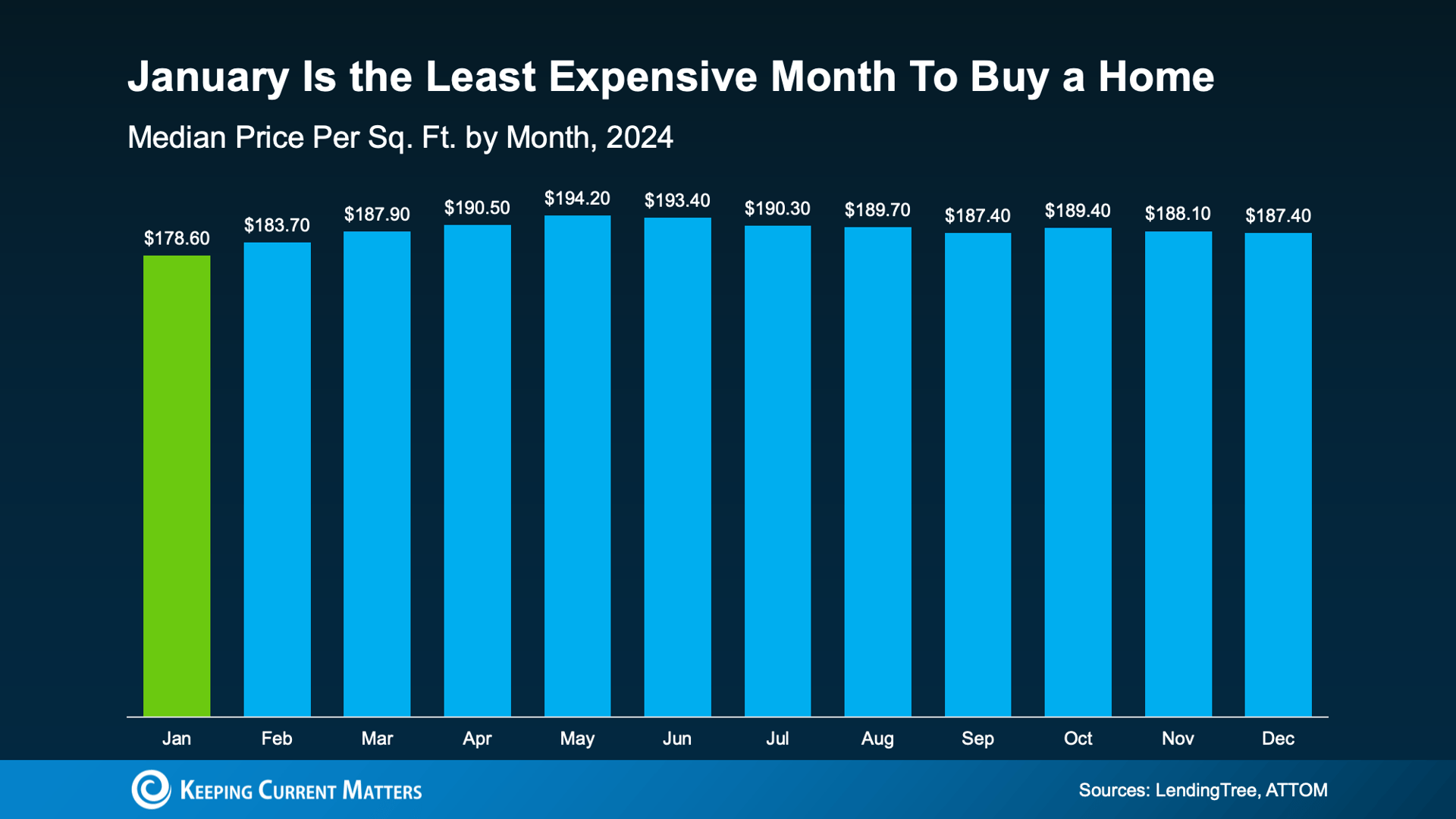
That pattern shows up here in North Texas as well. Based on the most recent full year of data, buyers who closed on a typical 1,500-square-foot home in January paid about $23,000 less than buyers who purchased in May. Your exact savings will depend on the city, neighborhood, and price point—but the overall trend holds year after year.
<
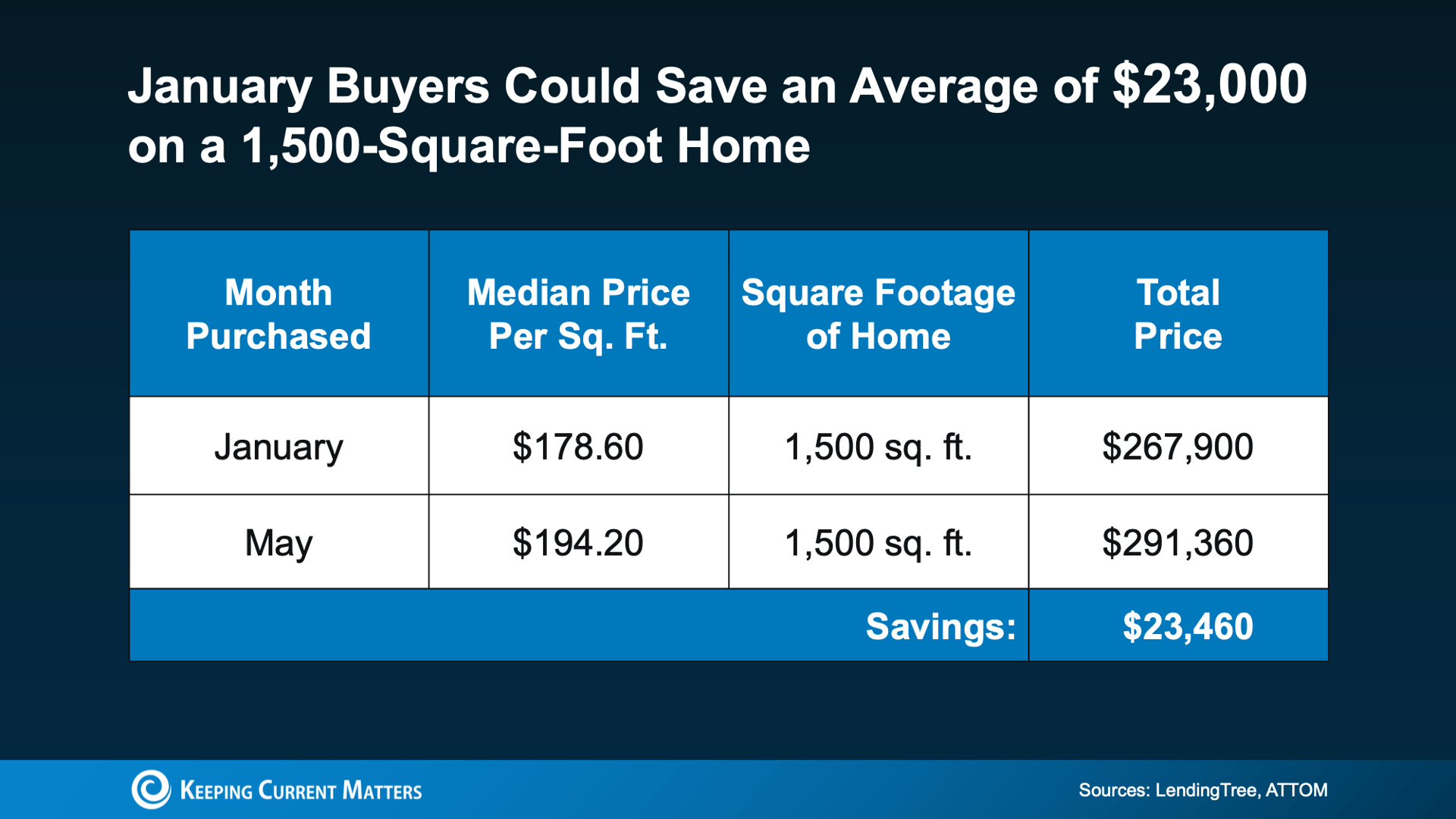
In markets like Rowlett, Rockwall, Wylie, Garland, Richardson, and Fate, that difference can be meaningful. When affordability is still top of mind for many buyers, timing alone can have a real impact on what you spend—and what you can comfortably afford.
If you’re early in the process, our Home Buyer Guide breaks down the steps, timelines, and costs so you can plan with confidence before you start touring homes.
Fewer Buyers and More Motivated Sellers
Winter is traditionally one of the slower seasons in real estate, and North Texas is no exception. Many buyers and sellers assume it’s better to wait until spring, which naturally thins out the market. That slowdown can work in a buyer’s favor.
In January, buyers often experience:
-
Less competition from other buyers
-
Fewer multiple-offer situations
-
More time to tour homes and make thoughtful decisions
-
Sellers who are more open to negotiation
Winter also tends to separate casual sellers from those who genuinely need to move. With fewer buyers actively shopping, motivated sellers are often more flexible—whether that means price adjustments, closing cost assistance, repair credits, or timeline flexibility.
As Realtor.com notes, fewer bidding wars give buyers more negotiating power, and those concessions can add up quickly.
You can see what’s available right now by browsing homes for sale in North Texas and getting a feel for current pricing and inventory without the spring rush.
Should You Wait for Spring?
Here’s the real takeaway: when you remove the urgency and competition that comes with the spring market, it often becomes easier to find the right home at a price that fits your budget.
Waiting until spring usually means more buyers enter the market at the same time. In popular North Texas areas—especially Rockwall County, Northeast Dallas, and established suburbs with limited inventory—that can lead to higher prices and more pressure.
Only you can decide what timing works best for your life. Just don’t assume that waiting for warmer weather automatically puts you in a better position.
Buying in January often means less competition, potentially lower prices, and more motivated sellers—advantages that tend to fade once spring demand picks up.
Bottom Line
If you’ve been thinking about taking the next step, this season may offer more opportunity than you expect.
If you want help deciding whether buying in January makes sense for you—or want to narrow your search by city, neighborhood, or price range—working with a local agent can help you evaluate the numbers and options specific to your market.