


Eastern Metro Buyers Need More Cash Than the Down Payment

Your cash to close is the down payment plus lender charges, title company fees, prepaid items, and escrow deposits, less any credits. No rule of thumb replaces your Loan Estimate and the title company's figures. Get both early, and compare them against the final Closing Disclosure before you wire funds.
How much cash do Eastern Metro buyers need at closing?
Eastern Metro buyers need more than the down payment: your cash to close also covers lender charges, title and settlement fees, prepaid interest, the first homeowners-insurance premium, property-tax prorations, and initial escrow deposits, minus any credits in your contract. The total depends on your loan, the property, and your closing date, so the only reliable number is the one on your lender's disclosures and the title company's settlement figures.
Key Takeaways
- Cash to close is the down payment plus lender charges, title and settlement charges, prepaids, and escrow deposits, less credits.
- Texas title-insurance rates and policy forms are regulated by the Texas Department of Insurance, but who pays for a given policy is decided by your contract.
- For most mortgages, the lender must deliver your Closing Disclosure at least three business days before closing, and it shows the total cash required to close.
- The most recent MetroTex report, for October 2026, shows 4.6 months of inventory across Dallas–Fort Worth, which is a metro-wide figure and not an Eastern Metro one, so credits and concessions have to be negotiated deal by deal.
- Your closing date can change what you owe, because it affects prepaid interest, tax prorations, and the initial escrow deposit.
I get this question from nearly every buyer I sit down with, whether they're looking in Rockwall, Rowlett, Heath, Wylie, or out toward Lake Lavon. They've saved a down payment, and then they find out the down payment is only one line on the settlement figures. Here's how the rest of the number comes together.
What costs besides the down payment do Eastern Metro buyers need to cover?
Beyond the down payment, you'll generally see four groups of costs: lender charges, title and settlement charges, prepaid items, and escrow deposits. Each one has a different reason for existing and a different level of flexibility.
| Cost category | What it is | What drives the amount | Negotiable? |
|---|---|---|---|
| Lender charges | Fees tied to originating and underwriting your loan, including appraisal or other lender-required items | Loan type, lender, property | Some are, some are not. Compare Loan Estimates |
| Title and settlement charges | Title insurance, title company services, recording and related fees | Policy structure, contract terms, title company | Allocation is set by contract |
| Prepaid interest | Interest from your closing date to the start of your first payment period | Closing date, loan amount, rate | No, but timing your closing date changes it |
| Homeowners insurance | First premium paid at or before closing | Coverage, property, carrier | You can shop quotes |
| Property-tax proration | Your share of the year's taxes based on the closing date | Taxing units, tax records, closing date | Set by contract terms |
| Initial escrow deposit | Funds the lender collects toward future tax and insurance bills | Closing date relative to tax and insurance due dates | Governed by federal escrow rules and lender analysis |
| HOA or condo charges | Transfer, setup, or prepaid association fees, where they apply | The association | Usually fixed by the association |
Lender charges
These are the costs of getting your loan. Your lender must give you a Loan Estimate early in the process, and that's your first real look at this category. I tell buyers to talk with a lender before we get serious about touring, because your payment and cash need drive which homes belong on the list in the first place.
Title and settlement charges
In Texas, closing runs through a title company. It handles the title work, assembles the settlement figures, receives and disburses funds, and coordinates signing and recording of the deed and loan documents. The Texas Department of Insurance regulates title-insurance rates and policy forms, so the premium isn't something a title company sets on its own.
A transaction can involve an owner's policy, which protects your ownership interest, and a lender's policy, which protects your lender. The name of the policy doesn't decide who pays for it. Your contract does. A guaranty fee is paid quarterly by the title agent or, if there is no agent, the title insurance company, for each reportable owner or mortgagee title insurance policy in Texas, which is another reason to read the title company's itemization rather than assume.
One more point worth knowing: Texas title-insurance rules include a requirement for advance disclosure of closing and settlement costs, referenced in the state's Title Insurance Basic Manual. In practice, ask the title company for your preliminary settlement figures early instead of waiting for them to arrive.
Prepaids and escrow deposits
Prepaids are costs you pay up front for things that accrue after you own the home, such as interest and the first insurance premium. An escrow account is different. The lender may collect money toward future property-tax and insurance bills, and the rules for those accounts are explained in the CFPB's guidance on escrow accounts.
Eastern Metro buyers need to understand that this piece can swing more than people expect. A closing near a tax due date or an insurance renewal date can require a very different initial deposit than an otherwise similar purchase closing a few weeks later.
Property-tax prorations across county lines
Texas has local property taxes, not a statewide transfer tax, and what shows up on your closing statement depends on the taxing units for that exact address. The Lake Ray Hubbard area touches Dallas, Rockwall, and Kaufman counties, and the Lake Lavon side involves Collin County and neighboring communities. Two homes a few miles apart can sit in different appraisal districts with different taxing units.
The Texas Comptroller's property-tax resources are a good starting point for how local taxes work. For your specific home, confirm current figures with the county appraisal district and tax assessor-collector. Don't rely on a prior-year tax number from an old listing.
Why does cash to close change between my offer and the closing table?
Cash to close changes because the inputs change: your interest rate or loan terms, the closing date, tax and insurance figures, and any credits negotiated after the inspection. A number you estimated at the offer stage is a planning figure, not a quote.
Credits can help, but they have to be negotiated and verified
Sellers can agree to credits toward a buyer's costs, and repair credits after an inspection can also change the final figure. Those are contract items, not entitlements. How a credit can be applied also depends on your loan, so verify the details with your lender before you build a strategy around one.
The most recent MetroTex report, for October 2026, shows 34,941 active listings, 4.6 months of inventory, and 6,377 closed sales across Dallas–Fort Worth. A separate Realtor.com report put the broader Dallas market's median days on market at 64 for the same month. Those are metro-level numbers. They don't isolate Rockwall, Rowlett, Heath, or the lake corridors, and I never want a buyer to assume a metro statistic guarantees a credit on a specific house.
What I do look at is what's actually happening with comparable homes near the one you want: how long they sat, what was negotiated, and what closed. That tells us how much room there may be to ask, and it's the kind of analysis Cory runs on the buyer side so you can see the financial picture before you write an offer. If you're also thinking through earnest money, I covered how earnest money works in Texas, and if you're trying to bring down your cash need, see Texas down payment assistance for Rockwall and DFW buyers.
When should I confirm my final cash-to-close number?
Confirm it in stages, starting at contract and ending with a final comparison at least three business days before closing. Here's the sequence I walk my buyers through:
- At contract and loan application: confirm your loan type, planned down payment, lender fees, any seller credits, and which title-related charges the contract assigns to you.
- Before closing: request the title company's preliminary settlement figures and compare them with your lender's Loan Estimate or any updated disclosures.
- At least three business days before a typical mortgage closing: review your final Closing Disclosure. Under the CFPB's rules, it itemizes loan terms, projected payments, closing costs, prepaids, escrow amounts, credits, and the total cash required to close.
- Before funding: verify wire instructions independently using a phone number you already know. Don't rely only on emailed instructions, because wire fraud is a known closing risk.
- At the closing table: bring the identification and funds the title company requires. The final amount can still move if taxes, insurance, lender figures, credits, or prorations get updated.
If the Closing Disclosure and the title company's numbers don't match, ask why that day, not at the table. Most gaps come from timing differences or an item that hasn't been updated, and they're much easier to fix with days to spare.
I'd rather tell you the truth up front than hand you a round number that sounds comforting and then watch the real one show up later. That's why I won't put a one-size estimate on this page. Your loan, your property, and your closing date set your number, and I'd rather build it with you from real documents. You can also read my broader breakdown of buyer closing costs in Texas for more on the categories.
If you're selling a home to buy in the Eastern Metro, your proceeds affect your cash to close too. A free home valuation is a good first step so the two sides of the move line up. If you're buying first, call The Dunnican Team at 972-679-1789 to schedule a buyer consultation, and we'll go through your numbers before you write an offer.
Want to see what past clients say about working with us? Read our reviews on Google, Zillow, and Realtor.com.
FAQ
How much money do I need to bring to closing in Texas besides my down payment?
You need to cover your share of lender charges, title and settlement fees, prepaid interest, the first insurance premium, property-tax prorations, and initial escrow deposits, minus any credits. The exact total depends on your loan and property, so your Loan Estimate and the title company's figures are the right sources.
Does the seller usually pay the owner's title policy in the Dallas–Fort Worth area?
It depends on the contract. Who pays for a title policy is negotiated, and local practice isn't a legal requirement, so I look at it offer by offer. Confirm in your own contract which party is responsible before you budget.
Why is my cash-to-close different from what I expected after making an offer?
Your offer-stage number was an estimate, and several inputs can change before closing. Updated lender figures, a different closing date, revised tax or insurance amounts, and credits negotiated after inspection can all move the total. Compare your final Closing Disclosure with the title company's latest figures.
How much can property-tax prorations change what I owe in Rockwall, Collin, or Dallas County?
They can change it meaningfully, because the amount depends on the property's taxing units, its tax records, and your closing date. I can't give you a single figure for a county. Check the property's current tax information with the county appraisal district and tax assessor-collector, and let the title company's settlement statement show the actual proration.
Can a seller credit cover my lender and title-company charges?
Sometimes, if the seller agrees to it in the contract. Credits are negotiated, not automatic, and how they can be applied depends on your loan, so ask your lender before counting on one.
Your down payment is the part you plan for, and the rest is the part that surprises people. If you're buying in the Eastern Metro, let's build your real number from your actual loan documents, then decide what you're comfortable offering.
About Cindy Dunnican
Cindy Dunnican is the Founder and Managing Partner of The Dunnican Team at Coldwell Banker Apex, Realtors, serving Northeast Dallas, Rockwall County, and surrounding North Texas communities including Rockwall, Rowlett, Heath, Wylie, Sachse, Fate, Royse City, and Caddo Mills. With 28+ years of experience, 1,850+ transactions, and D Magazine D Best recognition every year since 2010, she leads listings, marketing, and brand strategy for the team. She and her husband Cory Dunnican are both Global Luxury Certified and Real Trends Verified. Reach The Dunnican Team at 972-679-1789 or www.TheDunnicanTeam.com.
Coldwell Banker Apex, Realtors · 9726791789
Equal Housing Opportunity. Cindy Dunnican, Texas Real Estate Commission (TREC) licensed Salesperson. This article is general information, not legal, tax, or financial advice. Confirm your own numbers with your title company, tax advisor, or lender.
Check out this article next
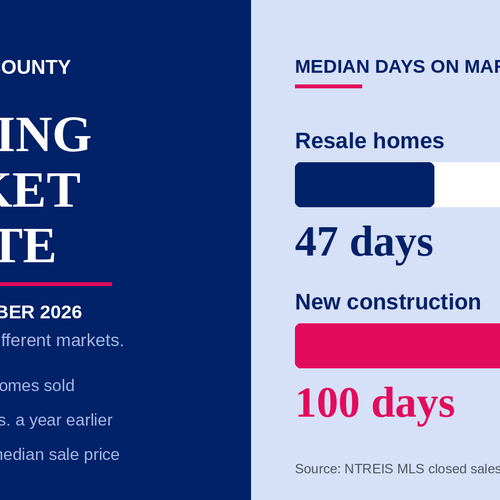
Rockwall County Housing Market Update November 2026
Rockwall County sold fewer homes this fall, and the county-wide number says homes took longer to sell. Split out resale from new construction and the…
Read Article