


Useful Tips for DFW Homeowners
Home Equity & Value-Add Projects for North Texas Homeowners
Which improvements are worth it and which ones aren't
Building home equity isn’t just about market appreciation—it's about choosing the right projects at the right time. In North Texas, some upgrades consistently add value while others are simply maintenance. This guide breaks down what truly boosts equity, what protects it, and how to avoid over-improving your home. Be sure to download our Home Equity & Value-Add Projects Guide below.
How to Build Home Equity Through Smart Improvements
Home equity grows in two main ways: through paying down your mortgage and through appreciation driven by market conditions and property improvements. While market appreciation is outside your control, the projects you choose—and the order you do them in—can significantly influence long-term value.
For homeowners in North Texas communities like Rowlett, Rockwall, Heath, Wylie, Sachse, and the surrounding DFW suburbs, neighborhood standards and buyer expectations vary widely. Construction costs, school district influences, and even MUD/PID obligations can shape what improvements make sense and how much equity they return. Strategic, well-planned updates can help you increase equity without over-investing or pricing yourself out of your neighborhood.
This guide outlines which projects add value in our local market, which ones don’t, and how to plan updates that make sense for your home, your neighborhood, and your budget.
Before You Start: Do This First
- Confirm your current value with a recent CMA based on nearby sales.
- Knock out any obvious deferred maintenance (roof, HVAC, plumbing, drainage).
- Then prioritize 1–2 strategic projects that fit your budget and neighborhood.
Understanding Home Equity
What Is Home Equity?
Home equity is the difference between your home's market value and the balance you owe on your mortgage. If your home would sell for $450,000 today and you owe $280,000, you have roughly $170,000 in equity. It's the portion of your home you actually own — and for most North Texas homeowners, it's the largest asset they have.
Equity isn't fixed. It moves with the market, with every mortgage payment you make, and with the condition of your home.
How Equity Increases Naturally
- Your mortgage balance decreases each month.
- Your home appreciates with the market.
- Improvements increase your property's desirability and function.
The first two happen whether you do anything or not. The third is the one you control — and it's where most homeowners either build real value or spend money they never see again.
How to Estimate Your Equity Today
You need two numbers:
- What your home would realistically sell for today. Not your tax appraisal — that's a mass-appraisal figure, not a market value. Not an online estimate either; automated tools don't know what you've updated or how your street actually trades.
- Your current mortgage payoff. This is slightly higher than the balance on your statement, since it includes interest through the payoff date. Your lender can provide it.
Subtract the second from the first. That's your equity — and it's worth knowing the real figure before you make decisions that depend on it.
Equity Is Not the Same as What You'd Walk Away With
This is the distinction that surprises people most. Equity is a value on paper. What you actually net at closing is that figure minus the costs of selling — commissions, title and closing costs, any repairs negotiated during the option period, and prorated taxes.
Depending on your price point and how the transaction is structured, those costs can be meaningful. If you're weighing a move, or deciding whether a renovation makes financial sense, the number that matters is your net proceeds, not your equity. We'll walk through both when we prepare a valuation.
Why Equity Matters Before You Renovate
Homeowners often reverse the order — they choose a project first, then wonder what it did for their value. Knowing your equity position first tells you something more useful: how much room you have, which improvements the market in your neighborhood actually rewards, and whether the work is better done for your own enjoyment or for resale.
Those are two different decisions, and they lead to different projects. The sections below cover which improvements tend to hold their value in Northeast Dallas and Rockwall County — and which ones rarely return what they cost.
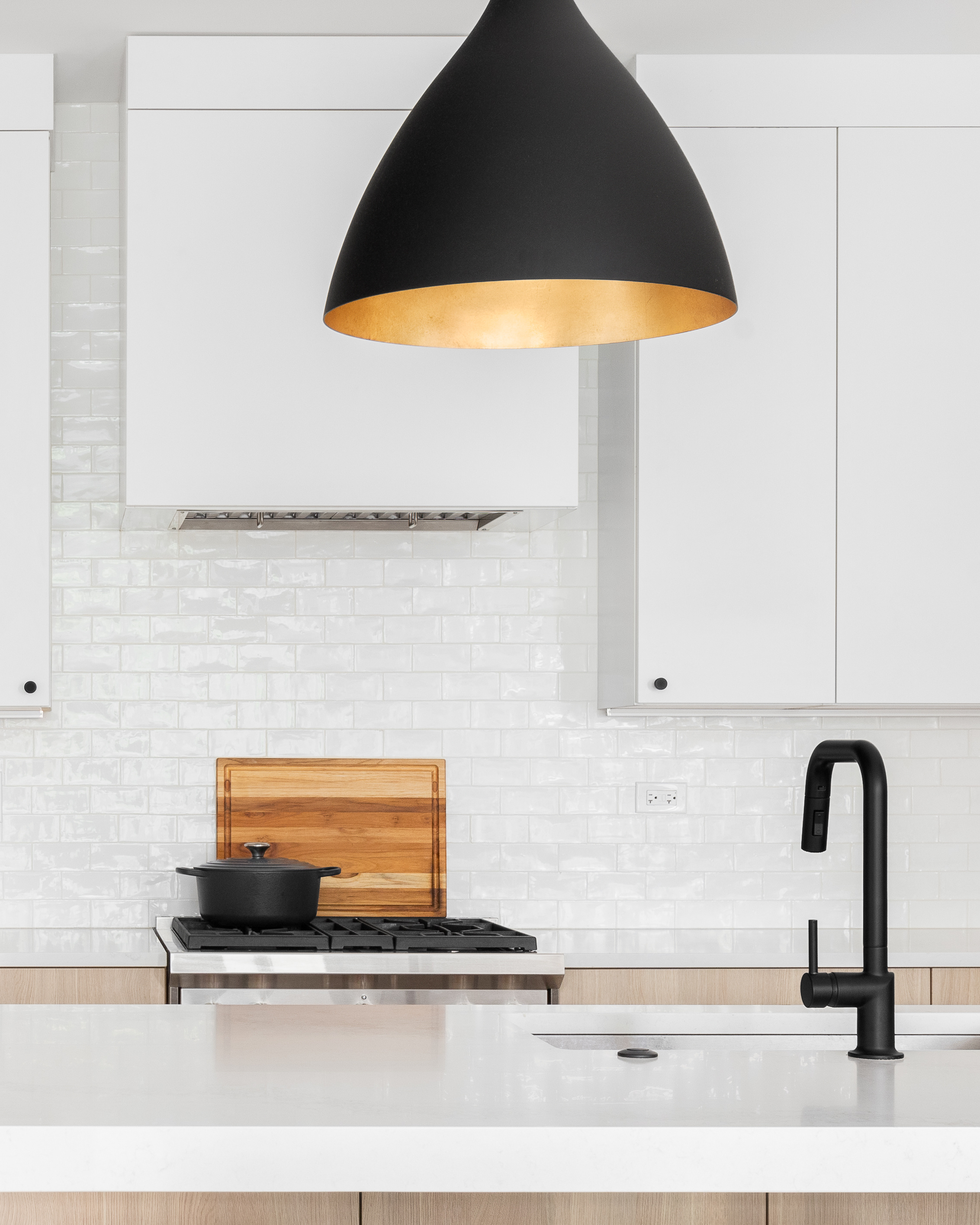
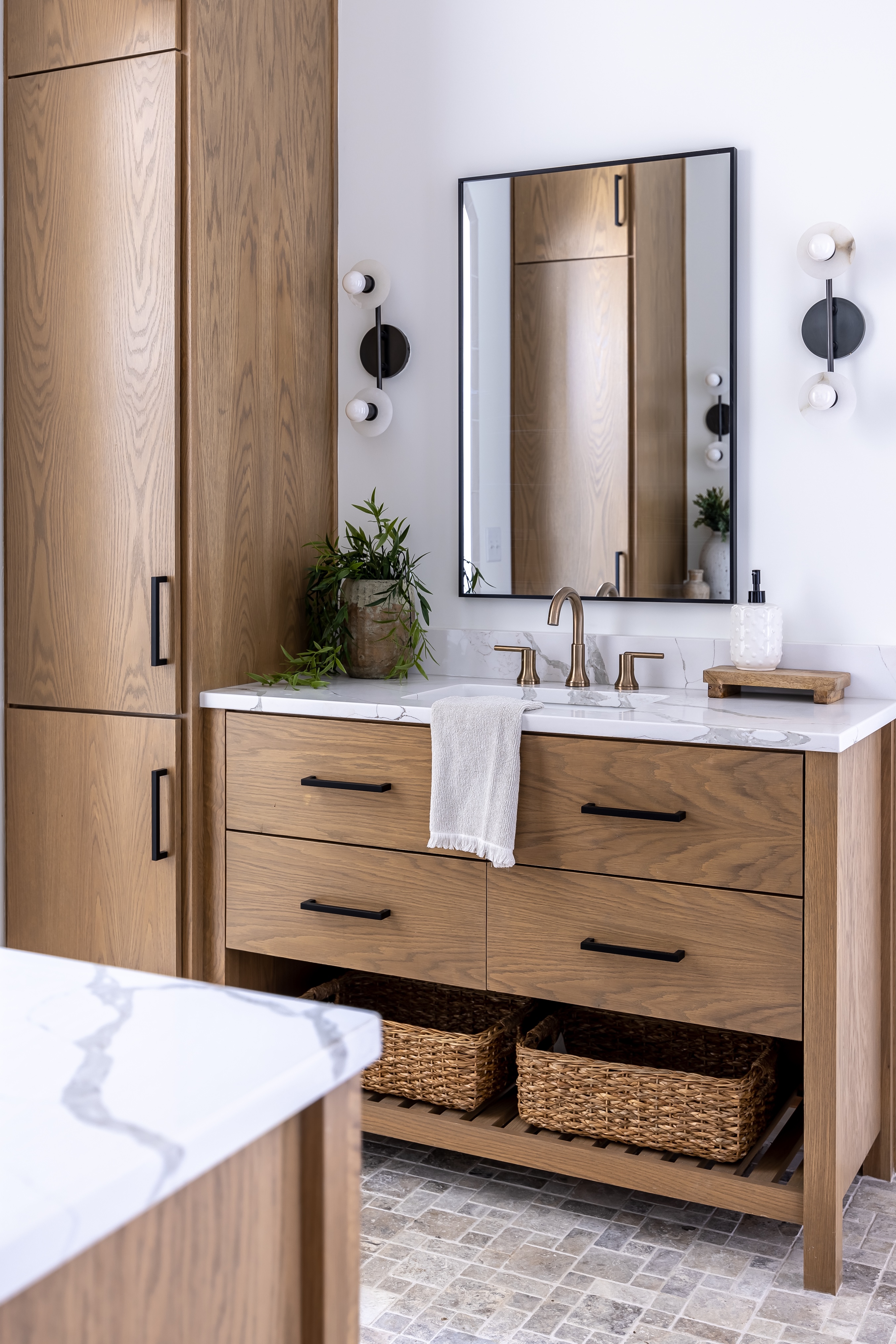
Kitchen and bath finish updates are among the improvements that most reliably support a home's value in North Texas.
The Difference Between Improvements and Routine Maintenance
It's important to distinguish between true home improvements and routine maintenance. Updates like kitchen remodels, bathroom upgrades, new flooring, or energy-efficient features can increase your home's market value and appeal to buyers. Maintenance items — roof repairs and replacements, exterior paint, HVAC replacements, fence repairs, and general upkeep — do not increase value on their own. Instead, they protect the value you already have by preventing deterioration and keeping the home in good condition. Buyers expect these items to be working and well maintained, which is why completing them is essential even if they don't directly build equity.
Exterior work is where this line blurs, and it's worth understanding why — see the curb appeal section below.
For what to check and when, see our seasonal home maintenance guide and seasonal HVAC maintenance guide.
Signs It's Time to Plan a Renovation
Your layout feels outdated or inefficient
Older floor plans, closed-off rooms, or awkward traffic flow can limit functionality and hurt resale appeal.
Repairs are starting to stack up in the same area
When multiple issues—like worn cabinets, aging fixtures, or damaged surfaces—appear in one space, a strategic renovation can be more cost-effective than piecemeal fixes.
Flooring shows significant wear or inconsistency
Mixed materials or outdated finishes can make a home feel patchworked. Consistent, modern flooring often delivers a strong return.
Major systems are nearing the end of their lifespan
If your HVAC, windows, or water heater are due for replacement, it may be a good time to update adjacent finishes to improve overall efficiency and appeal.
Your home no longer fits your lifestyle or daily needs
Changing circumstances—like working from home, needing more storage, or wanting better use of shared spaces—can signal it’s time to reconfigure certain areas. Renovations that improve functionality often deliver strong long-term value.
Home Equity & Value-Add Projects for North Texas Homeowners

Home Equity & Value Add Projects
Not every improvement pays you back. This 3-page guide covers which updates tend to hold their value in North Texas, which ones rarely return what they cost, and how to avoid over-improving for your neighborhood — with a project checklist for kitchens, baths, flooring, energy, and curb appeal, plus a maintenance list that protects the equity you already have.
Projects That Add Value in North Texas
These projects consistently provide strong returns and align with buyer expectations across DFW.
- HIGH IMPACT - LOWER COST UPDATES
- KITCHEN REFRESH OR UPDATE
- BATHROOM UPDATES
- FLOORING UPGRADES
- ENERGY EFFICIENT UPDATES
- EXTERIOR MAINTENANCE & CURB APPEAL
High-Impact, Lower-Cost Updates
Before considering a remodel of any kind, start here. These three updates cost the least, take the least time, and change how a home reads more than anything else on this page. For many homeowners they're enough on their own.
Interior Paint
The highest-impact update for the money, without exception. Fresh, neutral walls make a home read as cared for, and that impression carries into how buyers judge everything else they see.
- Neutral, but not stark. Warm whites and soft greiges photograph well and let buyers picture their own furniture. Accent walls and deep colors narrow your audience for no gain.
- Ceilings and trim count. Fresh walls against yellowed ceilings or scuffed baseboards undercut the whole effect. Trim is what makes a repaint look professional rather than partial.
- One color through the main areas. Continuity makes a home feel larger and more considered. Save variation for bedrooms if you want it.
- Repair before you paint. Nail pops and settling cracks are common in North Texas homes. Paint over them and they're still visible in raking light — and they'll be in the inspection report either way.
Carpet
Worn carpet is one of the few things buyers mentally price out on the spot, and they almost always price it higher than replacement actually costs.
- Replace worn carpet; keep good carpet. You don't need hard surface in every room. Clean, neutral, recent carpet in bedrooms is widely accepted — worn carpet anywhere is not.
- Neutral and mid-grade. There's no benefit to premium carpet before a sale. Choose a neutral color and a quality that looks and feels new.
- Pad matters more than people think. New carpet over old, compressed pad still feels old underfoot, and buyers notice without knowing why.
Light Fixtures and Hardware
The least expensive category on this page and the most disproportionately visible. Dated fixtures are the fastest way for a well-maintained home to read as older than it is.
- Replace the obvious offenders first. Entry lighting, dining and kitchen pendants, bath vanity fixtures, and exterior coach lights carry the most weight.
- Consistent finishes. Fixtures, cabinet pulls, and door hardware in a coordinated finish read as intentional. Three finishes in one sightline read as unfinished.
- Brighten while you're at it. Switching to LED at a consistent color temperature makes rooms feel larger and photograph better — a small change that shows up in listing photos.
Done together, these three typically cost a fraction of a single room remodel and affect every room in the house. If your budget is limited, or you're not sure how long you'll stay, this is the sequence that makes sense.
Kitchen Refresh or Update
The kitchen carries more weight with buyers than any other room, which is why it's also where homeowners most often overspend. A full remodel isn't always necessary — and it frequently isn't the better financial decision. The updates that hold their value are the ones that make the kitchen feel current without changing its footprint.
- Paint the cabinets. The single highest-impact change for the cost. Painted cabinets can move a kitchen from dated to current for a fraction of replacement, and the boxes in most North Texas homes are worth keeping.
- Update hardware and lighting. Small, visible, inexpensive. Dated pendants and builder-grade pulls are among the first things buyers register.
- Replace the countertops. Quartz is the current preference across most price points in our market. At the upper end, natural stone still carries weight.
- Match the appliances. A coordinated set matters more than a specific finish. Mismatched or visibly dated appliances suggest deferred maintenance elsewhere in the home.
- Refresh the backsplash. A modest change that ties the counters and cabinets together, and one of the least expensive ways to make the whole room read as updated.
The pattern is worth noticing: none of these change how the kitchen works. They change how it reads. Buyers form an impression in the first few minutes of a showing, and these are the things that shape it.
Where Kitchen Budgets Get Away From People
One decision drives most kitchen cost overruns: moving plumbing or reconfiguring the layout. This is where a refresh becomes a remodel and the budget multiplies — often by three or four times. Sometimes the layout genuinely doesn't work and the change is worth making. But confirm that before committing, because buyers rarely pay a premium for a footprint change they didn't ask for.
The other common kitchen overspend is finishing well above what the neighborhood supports — a professional range, imported stone, custom cabinetry in a home whose comparables have none of it. That's covered in Projects With Uncertain or Low Return below.
Wondering how specific projects tend to perform? Zonda's annual Cost vs. Value Report publishes cost-recouped estimates by project and by metro, including Dallas. Treat it as a national benchmark rather than a local appraisal — what a project returns in your specific neighborhood depends on the comparables around you.
If you're weighing a kitchen project and resale is part of the reason, it's worth a conversation first. We can tell you what buyers in your specific neighborhood are responding to right now — and sometimes that a refresh will get you most of the way there for a fraction of the cost.
Bathroom Updates
Buyers respond to bathrooms that feel clean, bright, and current. Unlike kitchens, bathrooms are small enough that a modest budget goes a long way — and the primary bath and secondary baths deserve different levels of investment.
- Vanity and countertop. Replacing a dated vanity is often the single change that resets the whole room. Stone or quartz tops read as an upgrade even in a small bath, and the cost is modest at that square footage.
- Tiled shower. A tiled shower reads as custom where a fiberglass insert reads as builder-grade. This is the update buyers most reliably notice in a primary bath.
- Flooring. Tile or luxury vinyl in place of worn vinyl or dated ceramic. Carrying the same flooring across all the baths costs little more and makes the home feel cohesive.
- Fixtures, lighting, and mirrors. The least expensive category and the most visible. A framed mirror and updated sconces change the character of a bathroom for a few hundred dollars.
- Paint and caulk. Unglamorous and worth doing. Discolored grout and failing caulk read as neglect no matter how new everything around them is.
Secondary baths rarely need the same investment as the primary. Clean, functional, and neutral is usually enough — buyers apply most of their scrutiny to the primary bath.
Two Bathroom Decisions Worth Thinking Through
- Removing the last bathtub. Converting the primary tub to a large walk-in shower is popular and often the right call — but only if another full bath in the home still has a tub. A house with no tub at all eliminates a portion of the buyer pool, and it's a hard thing to undo.
- Refinishing versus replacing. Tub and tile refinishing costs a fraction of replacement and looks good initially, but it wears, and it can raise questions during inspection. It's a reasonable choice in a secondary bath and a riskier one in the primary.
One practical note that gets skipped: if you're updating a bathroom, confirm the exhaust fan actually vents outside and is sized for the room. Moisture problems undo good finishes faster than anything else, and they show up in inspection reports.
Flooring Upgrades
Flooring is one of the few updates that improves how a home looks and how it holds up. It's also one of the most visible — buyers walk on it from the moment they enter, and worn or mismatched flooring becomes a running objection through the entire showing.
- Luxury vinyl plank (LVP). The practical default for most North Texas homes. Durable, water-resistant, forgiving of the minor slab movement common in our clay soils, and far less expensive than hardwood. Quality varies widely — thickness and wear layer matter more than the look.
- Engineered hardwood. Usually the better choice over solid hardwood on a slab foundation. It handles seasonal moisture and movement better, which matters here more than it does in other parts of the country.
- Tile. Long-lasting and well suited to entries, baths, and utility spaces. Large-format tile with minimal grout lines reads as current; small dated tile with wide grout dates a room instantly.
Consistency Matters More Than Material
If you take one thing from this section: run the same flooring through the connected main living areas. Continuous flooring makes a home feel larger and more intentional. Three different materials meeting at three different transitions makes even a well-maintained home feel piecemeal — and it's one of the most common comments buyers make in showings.
A few practical notes:
- Carpet in bedrooms is still fine. You don't need hard surface everywhere. Clean, neutral, recent carpet in bedrooms is widely accepted; worn carpet anywhere is not.
- Check the slab before you install. Significant unevenness should be addressed first. Installing new flooring over a slab issue doesn't hide it — it just means paying twice.
- Transitions and trim finish the job. Quarter round, thresholds, and properly finished edges are the difference between flooring that looks installed and flooring that looks replaced.
Energy-Efficient Updates
Energy improvements work differently from cosmetic ones. They rarely add dollar-for-dollar to your appraised value, but they lower your operating costs while you own the home and remove objections when you sell. In North Texas, where summer cooling drives the bill, that's not a small thing.
Ranked by what actually returns the most for what it costs:
- Attic insulation and air sealing. The best value on this list by a wide margin, and the most overlooked. Many North Texas homes are under-insulated relative to current standards, and sealing attic penetrations costs little. Start here.
- Radiant barrier. Well suited to our climate, where attic heat is the main cooling load. Comparatively inexpensive, especially when added alongside insulation work.
- LED lighting. Inexpensive, immediate, and it modernizes the look of a room at the same time. There's no reason not to.
- HVAC system. A modern high-efficiency system lowers costs meaningfully — but replace it when the existing system is near the end of its life, not to chase efficiency alone.
- Windows. The most expensive item here and the longest payback. Worth doing when windows are failing, fogged, or original single-pane. Rarely worth doing purely for energy savings.
Notice the order. The cheapest items are at the top for a reason — insulation and sealing typically return more per dollar than the headline upgrades, and they're what a home energy audit tends to recommend first.
For seasonal care of the system you already have, see our seasonal HVAC maintenance guide. For a broader look at lowering your utility costs, see our energy savings tips for North Texas homeowners.
Exterior Improvements & Curb Appeal
Curb appeal is where the line between improvement and maintenance genuinely blurs. Exterior work rarely changes an appraised value on its own — what it changes is whether buyers come inside at all. Most buyers see the front elevation as a photo before they ever see the house, and a weak exterior costs you showings you never know you lost.
That makes the exterior worth spending on for a different reason than a kitchen. You're not buying appraised value. You're buying attention, and removing the objections that make a buyer discount everything they see next.
- Garage door. The most underestimated exterior project, and a true improvement rather than upkeep. In most North Texas elevations the garage door occupies a third of the front of the house, and it routinely ranks at the very top of Zonda's Cost vs. Value Report for cost recouped.
- Front door and entry. Paint it or replace it. The entry is where buyers stand while the agent opens the lockbox — it gets more attention per square foot than any other part of the house.
- Lighting and house numbers. The cheapest items here and disproportionately visible. Dated coach lights and mismatched numbers make a well-kept home look older than it is.
- Landscaping, kept simple. Clean edges, fresh mulch, trimmed shrubs, and healthy turf. This is one place where restraint outperforms investment — elaborate hardscape and specimen planting seldom appear in an appraisal.
Exterior paint and fencing sit on the maintenance side of the line, as noted above — they protect value rather than add it. But they're the two items buyers most often read as neglect, and a failing fence or peeling trim will cost you more in perception than the repair costs to fix. Do them because leaving them undone is expensive, not because they'll raise your appraisal.
A useful test: pull up your own listing photos from when you bought the home, then stand at the curb and compare. Homeowners stop seeing their own exterior after a few years. Buyers see it first.
Projects With Uncertain or Low Return
These aren't bad projects. If a feature is something you want and you'll be in the home long enough to enjoy it, that's a legitimate reason to build it. But if resale is part of your reasoning, these are the ones to think through carefully.
Highly Customized Built-Ins
Highly customized built-ins can limit how future buyers use a room. What works perfectly for your routine — a wall-to-wall desk, a crafting area, an oversized media center — may not fit someone else's. Because these features are costly to remove or modify, they often reduce buyer appeal rather than add to it.
Garage Conversions
Converting a garage into living space often reduces appeal, because most buyers prioritize covered parking and storage. Even a well-executed conversion can feel out of step in a neighborhood where functional garages are the norm. Confirm permitting before you start — converted space that wasn't permitted may not count toward your home's living area in an appraisal, and it becomes a disclosure item at resale.
High-End Finishes Above the Neighborhood
High-end finishes in a mid-priced neighborhood create a mismatch between your home and the surrounding comparables. Even when the upgrades are beautiful, buyers are often unwilling to pay a premium beyond the neighborhood standard — which is what makes over-improvement one of the more expensive mistakes a homeowner can make.
Pools, Depending on Price Point
Pools add value in some neighborhoods and not in others. Where buyers are weighing affordability or maintenance, a pool may not return its cost and can narrow demand rather than widen it. Because the answer is so location-specific, a pool is worth a conversation about your particular street before you commit.
How to Avoid Over-Improving for the Area
1. Decide who the project is for
Improving a home for your own enjoyment and improving it for resale are two different decisions, and they lead to different projects. If you'll be in the home for years, build what you want. If you're planning to sell within a few years, the neighborhood — not your preference — sets the ceiling.
2. Prioritize repairs before beautification
Address essential components — foundation, roof, HVAC, plumbing, and drainage — before investing in cosmetic improvements. These protect your home's value and prevent expensive surprises later. See our DFW foundation maintenance guide for structural guidance.
3. Know your neighborhood's ceiling before you spend
Every neighborhood has a price point above which buyers stop paying, no matter how good the finishes are. Look at what comparable homes on your street have recently sold for, then work backward. A project that pushes your home well past that number is unlikely to come back to you at closing.
4. Talk to someone local before a major renovation
Buyer expectations in DFW vary significantly from one neighborhood to the next — sometimes between subdivisions a mile apart. A short conversation before you commit can save considerably more than it costs. We're glad to walk through your plans and tell you honestly what we think buyers in your area will and won't pay for.
Frequently Asked Questions
Not always. In many cases, strategic repairs, deep cleaning, paint, and staging are more cost-effective than a full remodel. Major renovations rarely return 100% of their cost, especially if they push your home above the neighborhood standard.
If your home is structurally sound and cosmetically up to date, a remodel may not be necessary. But if certain areas look dated compared to other homes on the market, selective improvements — new flooring, refreshed cabinets, updated fixtures — can help your home show better and support a stronger price. The key is choosing updates that appeal broadly to buyers without over-improving.
Maintenance doesn't add value — it protects it. Roof replacement, exterior paint, HVAC upgrades, fence repair, and plumbing fixes keep your home functioning properly and prevent deterioration, but buyers expect these items to be in good working order.
While maintenance isn't a value booster, deferred maintenance absolutely lowers value, often more than homeowners realize. Well-maintained homes appraise more smoothly, attract stronger buyers, and sell with fewer concessions.
The updates that improve function, modernize high-use spaces, and align with buyer expectations in your neighborhood. In most North Texas neighborhoods, that means kitchen refreshes, bathroom improvements, consistent flooring, energy-efficient systems, and curb appeal — they influence both the appraisal and the buyer's first impression.
That said, the right update depends heavily on your home's current condition and the standard in your specific area. A smaller, well-targeted refresh — new countertops, cabinet paint, updated lighting — often outperforms a full renovation. If you're unsure, a conversation or a CMA can help you determine which improvements will move your home's value the most.
Yes, when done thoughtfully. Curb appeal plays a major role in the first impression buyers form, and outdoor spaces matter to DFW buyers. Clean landscaping, trimmed trees, fresh mulch, updated lighting, repaired fencing, and a well-designed patio can improve desirability.
That said, high-cost, highly personalized outdoor projects — custom gardens, elaborate hardscapes — may not return their full cost unless they match neighborhood expectations.
You're likely at risk when a planned update is significantly above what surrounding homes offer. Common examples:
• High-end finishes in a mid-priced neighborhood
• Fully customized built-ins
• Converting a garage
• Installing a pool where most homes don't have one
If improvements make your home noticeably more expensive than nearby comparables, you may not recover the cost at resale. Your neighborhood comps are the best guide for keeping updates aligned with what the market will support.
Most homeowners benefit from phased updating, especially if the home is generally in good condition. Spreading updates over time makes budgeting easier and lets you prioritize the highest-impact areas first. Full-home renovations can make sense if a home is significantly dated, but they're more disruptive and carry a higher risk of cost overruns.
A phased approach also lets you adjust as market conditions or your own plans change.
Start with two numbers: what your home would realistically sell for today, and your current mortgage payoff. The most accurate way to get the first is a Comparative Market Analysis, because it accounts for neighborhood trends, buyer demand, and the actual condition of your home. Online estimates give a broad range but rarely adjust for upgrades, maintenance, or unique features.
Our North Texas market reports and custom CMA can give you a clear picture of your current equity position and how potential improvements might affect it.